Beware of fake job offers and payment requests. We only use official email IDs and never conduct interviews on messaging apps.Beware of fake job offers and payment requests. We only use official email IDs and never conduct interviews on messaging apps.
Summary: App Store Optimization (ASO) helps apps improve visibility and drive organic downloads in a competitive marketplace. This blog covers how ASO works, its benefits, ranking factors for Google Play and Apple App Store, and best practices like keyword optimization, compelling visuals, user engagement, and localization to maximize app success.
Key Takeaways:-
ASO improves app visibility through elements like app details, icons, visuals, and user reviews, increasing brand exposure and organic downloads.
Implementing ASO strategies enhances audience engagement, leading to higher retention rates and a competitive edge in both the App Store and Google Play Store.
Regularly monitoring and refining ASO approaches is crucial for maintaining app visibility and attracting new users in the evolving app landscape.
There are millions of apps vying for a spot on users’ phones. In 2024, the total combined App Store and Google Play Store app downloads amounted to 137.8 billion apps. In this sea of app clutter, even the best-designed apps are bound to get lost if no one knows they exist. That’s where App Store Optimization (ASO) comes in.
ASO helps your app rise above the competition and get seen by the right users looking for exactly what it offers. So, how does it work? Let’s dive in and explore what ASO is and how it can supercharge your app’s success.
Table of Contents
What is App Store Optimization?
App Store Optimization (ASO) refers to improving an app’s visibility in app stores to increase engagement and encourage more downloads and installations.
These are several key elements in the app store listing that ASO is keen on optimizing:
App Details—These include the app name/title and involve writing a description of the purpose of your app.
App Icon— The application icon is the most visually prominent element that appears when users find your app on result pages and recommendation lists.
Visuals— Visual elements like images, screenshots, and demo videos help users understand your app’s key benefits and user experience.
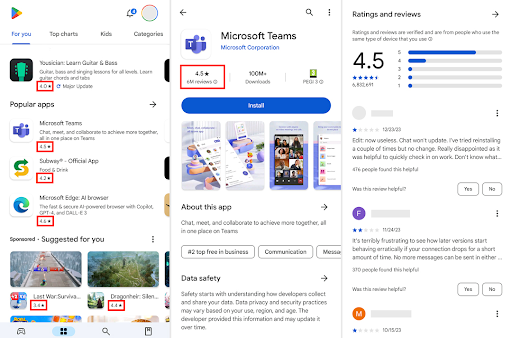
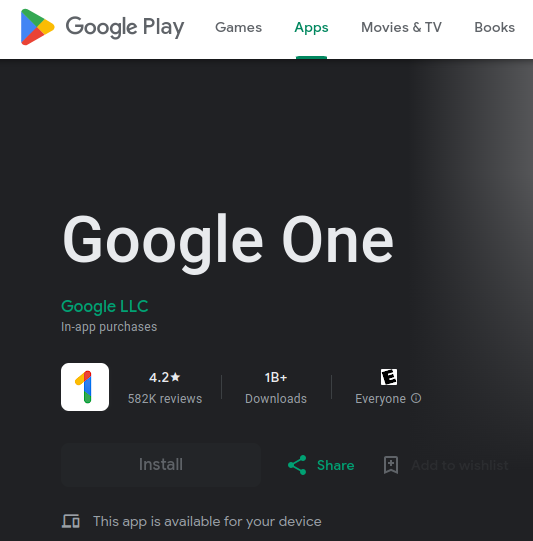
App Rating—Most platforms show your app’s review and ratings score in the search results at the top of your listing page.
App Reviews— New users mainly browse through reviews from other users before downloading your app.
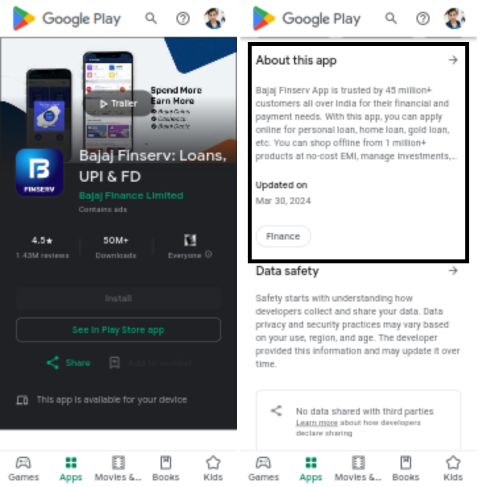
App Description—When users search for an app, they can see a brief description on the listing page and click the full description to read it. The first two sentences are crucial as they determine whether a user will click to see the full description.
Updates—Users are always looking for updated apps, as this ensures that they have the latest features and recent bug fixes. This demonstrated commitment to user satisfaction positively impacts app performance.
Discover What Your Customers Search ForDiscover What Your Customers Search For
Get insights on evolving customer behaviour, high volume keywords, search trends, and more.
Implementing App Store Optimization (ASO) offers multiple advantages for mobile apps in today’s competitive marketplace:
Increase Brand Exposure—ASO enhances your app’s visibility within app stores. By using elements such as keywords, title, and descriptions, your app becomes relevant in the search results.
Drive More Organic Downloads—Unlike paid campaigns, ASO focuses on organic user acquisition. Optimized listings attract users searching for apps, resulting in higher downloads without spending on ads. Using strategies such as ASO keyword research ensures your app appears for the right search terms.
Audience Engagement—By using compelling visuals and clear descriptions, you attract users who need your app. This leads to higher engagement and better retention rates from users.
Cost-effectiveness—Compared to other marketing strategies, ASO focuses on leveraging organic traffic to increase app downloads and installs.
Gain a Competitive Edge——Gain a Competitive Edge – In a saturated app market, ASO ensures your app stands out. Staying updated with app store optimization strategies, tips, and best practices keeps your app visible, relevant, and ahead of competitors.
Complement CRO for Better Conversion – While ASO boosts visibility, App Conversion Rate Optimization (App CRO) services help turn that visibility into actual installs and engagement. By refining your app’s store page—through optimized descriptions, visuals, icons, and screenshots—you increase the likelihood that users who discover your app will install it and continue using it.
Improve App Store Rankings – Optimized keywords, consistent updates, high ratings, and positive reviews all contribute to better ranking positions in app store search results, driving continuous organic growth.
Support Global Reach – With localization strategies, ASO allows your app to reach users in multiple regions and languages, ensuring that it performs well across different countries and cultural contexts.
However, ASO alone may not be enough to maximize your app’s performance. App CRO Services play a key role in improving app conversion rate by refining your app’s store page to drive more downloads and user engagement. By optimizing your app’s visuals, descriptions, and other key elements, you ensure that users who discover your app are more likely to install and engage with it.
How Does App Store Optimization (ASO) Work?
App Store Optimization (ASO) is the process of improving an app’s visibility and ranking in app stores like Google Play and Apple’s App Store. Think of it as SEO, but for mobile apps. Just as websites need optimization to rank in search engines, mobile apps require strategic ASO to stand out among millions of competitors.
To effectively optimize your app, it’s essential to understand how users discover apps. Many rely on search queries, while others find apps through category rankings, featured sections, or recommendations. The key to ASO success is ensuring your app appears in relevant searches and entices users to download.
Key Elements of ASO
App Metadata Optimization – Crafting an engaging app title, subtitle, and description with the ranking ASO keywords improves discoverability.
Keyword Research & Expansion – Identifying the terms potential users search for helps refine your app’s visibility strategy.
Visual Asset Enhancement – Eye-catching icons, screenshots, and preview videos make a strong first impression and boost conversion rates.
Compelling App Descriptions – Well-written, informative, and persuasive descriptions help users understand the app’s value.
Localization for Global Reach – Adapting keywords, descriptions, and visuals to different languages and cultures expands your audience.
User Reviews & Ratings Management – Encouraging positive feedback and responding to reviews builds credibility and trust.
Seasonal Updates & A/B Testing – Refreshing keywords, images, and descriptions based on trends and analytics keeps your app competitive.
App Store-Specific Strategies – Google Play relies heavily on keyword relevance and app descriptions, while Apple’s App Store emphasizes user engagement, conversion rates, and the hidden keyword field. Tailoring your ASO strategy to each store ensures maximum reach and impact.
While both Google Play and Apple’s App Store use ranking algorithms to determine search results, they each have unique factors influencing ASO. Google Play relies heavily on keyword relevance and app descriptions, whereas the App Store emphasizes user engagement and conversion rates. Understanding these differences allows for a tailored ASO strategy that maximizes your app’s reach and downloads.
By focusing on these core elements and continuously optimizing your app’s listing, you can improve its visibility, attract more users, and increase organic downloads.
Difference between ASO and SEO
Although App Store Optimization (ASO) and Search Engine Optimization (SEO) are sometimes confused, they serve different purposes and platforms. ASO focuses on boosting mobile app visibility in app stores like the Apple App Store and Google Play Store, while SEO improves web content visibility on search engines such as Google and Bing. Both strategies enhance discoverability, but each targets a unique audience and requires distinct optimization techniques.
Aspect
ASO (App Store Optimization)
SEO (Search Engine Optimization)
Focus
Mobile apps in app stores
Websites on search engines
Platform
App stores (e.g., Apple App Store, Google Play)
Search engines (e.g., Google, Bing)
Target Keywords
App-related keywords and phrases used by potential users
Web-related keywords and search queries used by online users
Website content, backlinks, page load speed, user experience, and more
Content Optimization
App description, title, keywords field, and app preview videos
On-page content, meta tags, headings, images, and more
App-Specific Metrics
Installs, retention rates, in-app engagement, and user reviews
Organic search traffic, click-through rates, bounce rates, and conversion rates
App Approval
App submission and approval process by app store (e.g., Apple’s review process)
No approval process for website content
Platform Variability
Requires adaptation to the unique requirements of different app stores (e.g., Apple App Store vs. Google Play)
Focuses on universal search engine ranking principles
Local Optimization
May include localization efforts for different regions and languages
May involve local SEO for businesses targeting specific geographical areas
User Base
Targets mobile app users and app enthusiasts
Targets online users searching for information, products, or services
App-Specific Features
Utilizes app-specific elements like app previews and in-app purchases
Focuses on website elements like schema markup and rich snippets
Conversion Focus
Emphasizes app downloads and in-app actions (e.g., purchases or registrations)
Concentrates on website conversions (e.g., form submissions, purchases)
What is the Difference Between Google Play and Apple’s App Store SEO?
App Store Optimization (ASO) for Google Play and Apple’s App Store follows different ranking algorithms and optimization strategies. Google Play functions more like a traditional search engine, while Apple’s App Store relies on manual keyword selection and user engagement metrics. Below is a comparison of their key differences:
ASO for the Apple App Store vs. Google PlayThere are 2 major app stores: Google Play Store and the App Store. To get your app seen, you must understand how both stores work and what to target when optimizing each store. iOS and Google app stores may have some similarities, but there are a few differences too:
App Store has two unique elements that Google Play doesn’t offer: keyword and subtitle fields.
Google Play Store offers a short description field, while Apple doesn’t provide one. It only has a long description field.
Both platforms have different ranking factors. Although no one knows the exact workings of Google and Apple’s Play Store ranking algorithms, several factors, including those named below, can influence ranking.
Apple APP Store Ranking FactorsKey ranking factors for iOS apps include:
App name
App subtitle
Keywords
Reviews and rating
App updates
Installs and engagement
In-app purchase title and descriptions
Google Play Store Ranking FactorsHere’s what Google Play prioritizes:
App title
App short description
App long description
Install and engagement
App updates
Review and ratings
In-app purchase titles and descriptions
Factor
Google Play (Android)
Apple App Store (iOS)
Algorithm & Ranking Factors
Works like Google Search, relying on keywords in descriptions, engagement, and installs.
Focuses on keywords in the title, subtitle, and hidden keyword field.
Keyword Optimization
Indexes keywords from the app title, short description, and long description.
Uses a 100-character hidden keyword field along with the title and subtitle.
App Description
Keywords in the description help with ranking.
Description does not directly affect ranking but influences conversions.
Backlinks & External Factors
Backlinks and external website traffic can impact rankings.
No impact from backlinks, relies on in-store engagement.
App Review & Approval
Faster review process, often within hours.
Stricter review policies, usually taking 24–48 hours or longer.
A/B Testing
Built-in A/B testing via Google Play Console.
A/B testing available through Product Page Optimization & Custom Product Pages.
Best Practices for App Store OptimizationTo achieve optimal results with ASO, keep these tips in mind:
1. Craft Compelling App Titles and Subtitles
Image source: searchenginejournal
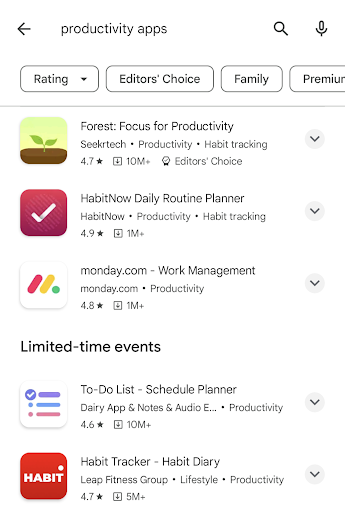
Your app title is a crucial element to target for optimization, as it’s the first thing a user sees in the search listing. Similarly, it’s the strongest ranking factor for major app stores. With only 30 characters to settle on a name, you must be smart when using them for an app name and title.While you may want to use keywords in your app title, try not to overuse them, as it will appear unnatural. To increase app downloads, regularly test out a few names and keywords until you settle on the best one. Apple provides an additional subtitle field where you can add more information about your app. Leverage this field to use the keywords you need.
2. Add Relevant Keywords
The App Store allows you to enter keywords that describe your app and that you want to rank in the App Store’s results. You can enter as many as you like, but there’s a limit of 100 characters. Note that you must separate them by commas without spaces.Strike a balance and select common, competitive keywords and those that are less common but might rank for. Refrain from repeating similar keywords because of how Apple crawls and indexes keywords.
3. Write Engaging App Descriptions
An app description is an opportunity to describe your app and its features to users, which is crucial for your ASO strategy. When you publish an app on Play Store, Google provides a short description field of 80 characters and a long description field of 4,000 characters. The App Store, on the other hand, provides only a long description field of 4,000 characters but doesn’t use it for ranking purposes.Even though it’s not for ranking purposes, the field is crucial as it affects how users see your app. Therefore, you must take time to craft a compelling description that outlines all users’ pain points, including features and problems it solves.
4. Add compelling Visuals
ASO encourages people to click and install an app since it increases the app’s visibility. Downloads affect ranking, so you must entice people to install your app through text fields and compelling visuals.Ensure that the screenshots and videos you display are of high quality. Showcase how your app works, the problems it solves, and the value users will get from using it. Be creative in how you use your visual elements, but ensure that you adhere to set guidelines from the app store, such as:
Display up to 10 visual elements
3 of the visual elements can be app preview(videos) of 15 to 30 seconds long
Videos must contain in-app content only
Use all the 10 slots and create the right image size for different gadgets
You can use text overlays but keep content evergreen.
5. Encourage User Reviews and Ratings
Most users will first look at an app’s reviews and ratings before considering installing it. This means low ratings and negative reviews affect its visibility in search results.One key strategy in app store optimization is encouraging users to leave reviews and ratings on the app. It’s crucial to understand when to prompt the users to leave feedback. Here are a few tips:
Ask for ratings after positive actions, keeping in mind that apps let you ask users for ratings only three times in 365 days.
Encourage reviews through other social network channels, such as your Facebook or Instagram followers.
Ask for ratings and reviews after updates, but ensure you first test the changes for a better user experience.
6. Encourage App Downloads
The more downloads an app gets, the more visible it is in the results, as app store search engines reward popular apps. Similarly, the more downloads you get, the higher your conversion rate.It’s possible to use conversion rate optimization to monitor conversion rates and make necessary improvements. Promoting your app outside of the app store through social media, directory websites, tech publications, and affiliate marketers is key to increasing downloads. Building backlinks in App Store Optimization (ASO) involves obtaining links from trusted sources that direct users to your app’s store page, boosting its visibility and ranking in app store searches. Ways to do this include:
Reviews & Blogs: Ask app review websites and blogs to feature your app with links.
Social Media: Promote your app on social media for users to share store page links.
Guest Blogging: Write for relevant blogs, including a link to your app’s page.
Press Releases: Distribute app news with store page links.
Influencers: Partner with influencers to create content with store page links.
Online Communities: Share your app in niche forums with store page links.
App Directories: Submit your app to directories with built-in links.
ASO Tools: Use ASO tools to manage and track backlinks.
App Store Badges: Display app store badges on your website or materials.
These backlinks enhance your app’s visibility and rankings in app store searches.
7. Prioritize User Experience
Visibility is crucial for an effective ASO strategy. However, you will not fully leverage it if people uninstall or rarely use your app. Therefore, you must ensure quality product development and a positive user experience as you implement your strategy.
8. Regularly Provide Updates
An essential strategy in ASO is ensuring your app is regularly updated. Users and app stores want to see apps that are evolving and improving. Updates also improve user feedback, resolve bugs, and add new features. Users usually check the “What’s New in This Version” field in the app store to see any changes in the app.
9. Monitor Your Results
For your ASO campaign to be successful, you must continue testing different versions of the app store elements and improving your results.Leverage app store analytics and other available tools like mobile app insights, appfigures, or appstatics to provide insights on your progress, including keyword ranking, revenue, downloads, ratings, and reviews. Carefully fine-tune your strategy to see what works best for you and delivers the results you seek.
10. Go Global
These app stores allow you to make your app available in several regions by localizing it. For instance, the App Store is available in 175 regions and 40 languages, making it easy for users in different regions to discover and download your app.Localization is more than translating the app’s text into a local language. Also consider the local culture, laws, and customs, along with strategies like ASO backlink building to boost visibility. This enhances how you present your app in a local app store listing.
What is the Impact of App Ratings and Reviews on ASO?
App ratings and reviews play a critical role in App Store Optimization (ASO) by influencing app visibility, user trust, and conversion rates. Both Google Play and Apple’s App Store consider ratings and reviews as key ranking factors. Here’s how they impact ASO:
1. Higher Rankings in Search Results
Apps with higher ratings (4.0+) tend to rank better in search results.
Frequent positive reviews signal quality and relevance, boosting ranking.
Negative ratings can lower an app’s visibility.
2. Increased Conversion Rates
Users prefer downloading apps with high ratings and positive feedback.
Apps with 4+ star ratings see higher conversion rates compared to lower-rated apps.
3. Featured Placement & Store Promotions
Both Google Play and Apple’s App Store are more likely to feature apps with high ratings and strong user feedback.
A well-rated app can appear in “Top Charts” or “Editor’s Choice.”
4. User Trust & Credibility
Potential users read reviews to gauge app performance, bugs, and updates.
Timely responses to negative reviews can improve user trust and retention.
5. Impact on Retention & Engagement
High-rated apps tend to have better user retention.
Developers who engage with users through review responses build a loyal community.
How to Do App Store Optimization: 12 Steps
App Store Optimization (ASO) is the process of improving an app’s visibility, ranking, and conversion rate in app stores (Apple App Store & Google Play). A well-optimized app gets more organic downloads and retains users better.
1. Conduct Keyword Research
Find relevant keywords your target audience is searching for using ASO tools like AppTweak, Sensor Tower, or Mobile Action.
2. Optimize the App Title & Subtitle
Use high-ranking keywords in your title (Apple: 30 characters, Google: 50 characters) and subtitles to improve search visibility.
3. Write a Compelling App Description
Focus on your app’s key benefits and unique features.
Use keywords naturally in the first 250 characters (important for Google Play indexing).
4. Select the Right App Keywords (iOS Only)
Apple allows 100-character keyword fields. Choose high-ranking, low-competition keywords to maximize reach.
5. Optimize the App Icon
Your icon should be simple, recognizable, and visually appealing to attract users in search results.
6. Use High-Quality Screenshots & Videos
Show the app’s best features in screenshots.
Use captions to highlight key benefits.
Add an app preview video (especially in the Apple App Store).
7. Choose the Right App Category
Select a relevant category that aligns with your app’s purpose to improve discoverability.
8. Encourage Positive Ratings & Reviews
Prompt happy users to leave reviews.
Respond to reviews to build trust and improve user engagement.
9. Localize for Different Markets
Translate your app title, description, and screenshots to appeal to different language audiences.
10. Improve App Performance & UX
Ensure fast loading times and bug-free performance.
Regularly update your app with new features.
11. Track & Analyze ASO Performance
Use ASO tools to monitor keyword rankings, conversion rates, and user feedback, then adjust your strategy accordingly.
12. Leverage AI for ASO Insights
Use AI-powered tools to analyze competitor apps, predict keyword trends, and generate optimized app descriptions and visuals, saving time and improving ASO strategy accuracy.
How do you Measure ASO Results?
Measuring App Store Optimization (ASO) results is essential to track performance and improve your strategy. Here are the key metics and tools to measure ASO success:
1. Keyword Rankings
Track how your app ranks for target keywords in the App Store and Google Play.
Use tools like AppTweak, Sensor Tower, or Mobile Action to monitor rankings over time.
Tip: Regularly update your keyword strategy to include high-traffic, low-competition ASO keywords for better discoverability.
2. App Store Impressions & Visibility
Impressions: How many times your app appears in search results, categories, or featured sections.
Tools: Apple App Store Connect (Search & Browse Impressions), Google Play Console (Store Listing Visitors).
3. Conversion Rate (CVR)
Measures how many users install your app after visiting the app page.
A low CVR may indicate poor screenshots, an unappealing description, or a weak app title.
4. Organic vs. Paid Installs
Track how many downloads come from organic search (ASO) vs. paid ads.
Google Play Console and App Store Connect provide these insights.
5. Retention Rate
The percentage of users who continue using the app after download (e.g., Day 1, Day 7, Day 30 retention).
High retention suggests that your app delivers value and a good user experience.
6. Ratings & Reviews Sentiment
Higher ratings (4.5+ stars) and positive reviews improve conversion rates.
Tools like AppFollow or App Radar analyze review sentiment and trends.
7. Revenue & Monetization Metrics
Track in-app purchases (IAP), subscriptions, and ad revenue.
Google Play Console & App Store Connect show revenue breakdowns.
8. Uninstalls & Churn Rate
High uninstall rates indicate issues with user experience or misleading app store content.
Use Google Play Console (Android) or third-party tools for uninstall tracking.
9. A/B Testing Results
Test different icons, screenshots, and descriptions to optimize conversion rates.
Google Play Console offers built-in A/B testing; for iOS, use SplitMetrics or Storemaven.
10. Competitor Benchmarking
Compare your app’s ASO performance with competitors using Sensor Tower, Mobile Action, or AppTweak.
11. Engagement Metrics
Monitor user engagement with features, session duration, and in-app events.
High engagement signals a quality app experience, which influences ASO rankings indirectly.
12. App Store Featured Placements
Being featured on the App Store or Google Play can dramatically increase visibility and downloads.
Track when and how often your app gets featured to measure ASO success beyond search rankings.
Conclusion
In today’s competitive app landscape, you need more than a well-designed app. ASO is the key to unlocking its true potential. With the right strategy, you can increase visibility, and organic traffic, improve search rankings, and drive downloads and user engagement.The right ASO services for your mobile app will attract new users and maintain a competitive edge. By consistently monitoring and refining your approach, you can ensure your app stays visible and continues to attract users.As always, we are ready to help you optimize your app to get more downloads, users, and make more money. Give us a call or send us an email to set up a free discovery call.
Frequently Asked Questions (FAQs)
What does an app store optimization specialist do?
An app store optimization specialist, also known as an ASO specialist, helps apps get discovered more easily in app stores. At Techmagnate, we do this by researching keywords and optimizing app descriptions and visuals.
How do I increase app store Optimisation?
You can improve your app store optimization by using relevant keywords, crafting a compelling listing and encouraging user response and rating. This way, you build trust and credibility, leading to more downloads.
What is the goal of App Store optimization?
The main goal of App Store Optimization (ASO) is to turn app discovery into downloads. You can optimize various elements of an app’s store listing, such as the app title, description, keywords, icon, screenshots, and ratings, to make it more attractive and relevant to potential users
Why is app store optimization important?
App store optimization is important because millions of apps compete for attention. Proper ASO improves organic visibility, increases downloads, enhances user engagement, and reduces dependency on paid marketing campaigns.
What are the key elements of ASO?
Key elements of ASO include:
App title and subtitle with relevant keywords
App description with targeted keywords and benefits
High-quality visuals and preview videos
User ratings and reviews
Localization for global reach
Regular updates and A/B testing
How do I choose the right keywords for ASO?
Choosing the right keywords involves researching app store search trends, competitor analysis, and user behavior insights. Tools like AppTweak, Sensor Tower, or Mobile Action help identify high-traffic, low-competition keywords to maximize discoverability.
How long does it take to see results from ASO?
Results from app store optimization typically appear within 2–3 months, depending on competition, app category, and the effectiveness of your strategy. Continuous optimization and monitoring are essential to maintain rankings and downloads.
Can ASO improve my app’s revenue?
Yes, ASO can indirectly boost revenue by increasing organic downloads and user engagement, improving retention rates, and encouraging in-app purchases or subscriptions. Apps with higher visibility also attract better opportunities for partnerships and monetization.
What tools can help with app store optimization?
Some popular ASO tools include:
AppTweak – Keyword research and performance tracking
Sensor Tower – Competitor analysis and market insights
Mobile Action – Keyword optimization and app analytics
App Radar – Keyword tracking and app store optimization strategies
Sarvesh Bagla is an enterprise SEO expert and industry leader who has driven transformational digital growth for India’s top brands across the BFSI, Healthcare, Automotive, and ECommerce industries. As the Founder and CEO of Techmagnate, he leads large-scale organic search strategies and performance marketing campaigns for businesses looking to succeed in today’s AI-driven search landscape.
A strong advocate for thought leadership, Sarvesh is deeply involved in SEO evangelism and regularly contributes to industry discussions through LinkedIn, webinars, and CMO roundtables. His focus today is on helping brands prepare for an AI-first SEO future (AEO, GEO) and strategies for Large Language Models (LLMs) at the core.
Get the most valuable search related insights about leading brands, trending keywords, search volumes, fastest growing categories, city-level insights and much more!
It has come to our notice that fraudulent job offers are being circulated on the internet through messaging apps like WhatsApp and Telegram, which falsely claim to be from Techmagnate. We take this matter seriously and would like to caution all candidates to be wary of such postings.
Please Note That –
We do not charge any fees/security deposit/payment from candidates, irrespective of the professional experience they hold, for job applications or interviews
Official communication channels include our website and verified social media accounts, primarily LinkedIn.
Kindly double-check the domain name – @techmagnate.com – in the email address
We follow a transparent and ethical approach for hiring/onboarding supported by proper documentation.
Ensure that you only apply through verified channels to avoid being scammed. We also recommend that you exercise caution when sharing personal information or financial details with any job posting or recruitment agencies claiming to represent us.
We want to ensure that potential candidates interested in joining Techmagnate have a safe and positive experience.
If you find that someone that fits the description above has reached out to you, please notify us immediately at jobs@techmagnate.com.
 Important Alert:
 Important Alert:

















 6th Feb | Invite-only


