Beware of fake job offers and payment requests. We only use official email IDs and never conduct interviews on messaging apps.Beware of fake job offers and payment requests. We only use official email IDs and never conduct interviews on messaging apps.
Summary: This article details the significance and implementation of schema markup for enhancing SEO.
It covers the basics, types, benefits, and impact of schema markup on SEO, along with advanced strategies for leveraging it.
The guide aims to equip SEO experts, professionals, and enthusiasts with the knowledge to improve their website’s visibility in search engine results through structured data.
In the ever-evolving landscape of search engine optimization (SEO), standing out in search engine results pages (SERPs) is a constant challenge for websites and online businesses.
Amidst the myriad of SEO strategies, one powerful yet often underutilized tool stands out, i.e. schema markup.
This advanced SEO technique goes beyond the basics of keyword optimization and meta tags, offering a unique way to communicate the context of your website’s content directly to search engines.
But what exactly is schema markup, and why is it becoming increasingly important for enhancing online visibility?
Schema markup, a code (or semantic vocabulary) that you can add to your website, helps search engines return more informative results for users.
By defining and organizing your site’s content in a way that search engines can understand more effectively, schema markup ensures that your information is displayed in SERPs in a richer, more appealing format.
This not only enhances the user experience but significantly increases the likelihood of attracting clicks from potential visitors.
By the end of this guide, you’ll not only grasp the fundamentals of schema markup but also learn how to leverage it to boost your SEO efforts.
Table of Contents
What Is Schema Markup?
Schema markup is a type of structured data added to a website’s HTML, enabling search engines to better understand the context and meaning of the content. Developed by Google, Bing, Yahoo!, and Yandex under the initiative of Schema.org, it provides a standardized way to explain web pages.
For example, schema markup can help Google display more information directly in search results, like star ratings for products or cooking times for recipes. Here’s a simple example of JSON-LD code for an article:
json
Copy code
( <script type=”application/ld+json”>
{“@context”: “http://schema.org”,
“@type”: “Article”,
“headline”: “What Is Schema Markup?”,
“author”: {
“@type”: “Person”,
“name”: “John Doe”
},
“datePublished”: “2024-11-22”}
</script> )
This code tells search engines key details about the article, such as the title, author, and publish date.
Why Is Schema Markup Important?
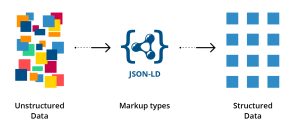
Source image: Marketingforcustomers.com
In the realm of search engine optimization (SEO), schema markup stands as a pivotal yet often overlooked element that can significantly enhance a website’s visibility in search engine results pages (SERPs).
By providing search engines with explicit clues about the meaning of a page’s content, schema markup enables the display of more informative and attractive search results, known as rich snippets.
But to effectively leverage this powerful tool, a solid understanding of its fundamentals is essential.
Discover What Your Customers Search ForDiscover What Your Customers Search For
Get insights on evolving customer behaviour, high volume keywords, search trends, and more.
At its core, schema markup is a type of microdata that you add to your website’s HTML to improve the way search engines read and represent your page in SERPs.
Developed through a collaborative effort by Google, Bing, Yahoo!, and Yandex, schema.org was launched in 2011 as a universal vocabulary for structured data markup on web pages.
When implemented, schema markup creates an enhanced description (commonly known as a rich snippet), which appears in search results.
For instance, if you’ve ever seen a recipe with star ratings, cooking time, and calorie count directly in the search results, you’ve encountered schema markup in action.
This not only makes your webpage stand out in the SERPs but also can lead to a higher click-through rate, as users are provided with valuable information before they even click on a link.
What Makes Schema Markup Powerful for SEO?
Schema markup enhances SEO by improving how search engines interpret and display your content. Here’s how:
Enhanced Visibility: Schema markup enables rich snippets, such as star ratings, product prices, and FAQs, making your content stand out in search results and attracting more clicks.
Voice Search Optimization: As voice search becomes more popular, schema helps structure your content to provide direct answers, increasing the likelihood of being featured in voice assistant results.
Faster Indexing: By giving search engines explicit context about your content, schema markup reduces vagueness, helping them crawl and index your pages more effectively.
Improved Relevance: Schema helps match your content with specific search queries by providing detailed metadata, leading to more targeted traffic and better engagement.
In short, schema markup bridges the gap between your website and search engines, making your content more accessible, informative, and attractive to both users and bots.
Types of Schema Markup
Schema markup can be applied to various types of content, each with its specific properties and benefits. Some of the most common types include:
Local business schema
Enhances visibility for businesses by including information like address, phone number, and opening hours.
Product & Offer schema
For e-commerce sites, detailing product information such as price, availability, and review ratings.
Article schema
Useful for news and blog content, helping to highlight headlines, authors, and publish dates.
Event schema
Displays event details such as date, location, and ticket availability directly in search results.
Recipe schema
Specifically for food-related sites, including ingredients, cooking time, and nutritional information.
Understanding the right type of schema markup for your content is crucial in maximizing its effectiveness in the search results.
Benefits of Using Schema Markup
Source image: blogslite.com
Implementing schema markup on your website can bring several significant benefits:
Enhanced visibility
By enabling rich snippets, your site can capture more real estate in SERPs, making it more noticeable to users.
Improved Click-Through Rates (CTR)
Rich snippets provide key information upfront, encouraging users to click on your link over others.
Better search engine understanding
Schema markup clarifies the context of your content, allowing search engines to index it more effectively and accurately.
Competitive edge
Despite its benefits, many websites still don’t use schema markup. Implementing it can give you a distinct advantage in your niche.
In essence, schema markup acts as a direct line of communication between your website and search engines, ensuring that your content is understood and displayed in the best possible way.
As we delve deeper into the importance of schema markup for SEO, the integration of this powerful tool into your website becomes not just beneficial but essential for standing out in the crowded digital space.
The Impact of Schema Markup on SEO
The integration of schema markup into a website’s SEO strategy can significantly enhance its visibility and performance in search engine results pages (SERPs).
By providing search engines with a better understanding of the content’s context, schema markup not only improves the way information is displayed but also how it’s indexed.
Another crucial aspect of SEO is the role of URL structure, which ensures that URLs are clean, descriptive, and easy for both search engines and users to understand. When paired with schema markup, a well-organized URL structure can further enhance the clarity and crawlability of a website.
Here, we’ll explore the various ways schema markup impacts SEO:
Enhancing SERP visibility
Rich snippets and featured snippets
Schema markup can result in rich snippets, which include images, ratings, prices, and more, making your listing more appealing and informative. Featured snippets optimization plays a crucial role in ensuring your content is structured in a way that makes it more likely to appear in these prime spots. Featured snippets, positioned at the top of SERP (Position 0), can also be more easily achieved with clear, structured data.
Increased real estate in SERPs
By providing additional information directly in search results, entries with schema markup take up more space, making them more noticeable and likely to be clicked.
Improving CTR and user engagemen
Higher click-through rates (CTR)
Listings with rich snippets have been shown to attract higher click-through rates, as they stand out with eye-catching visuals and useful information.
Enhanced user experience
Providing key information at a glance (such as product prices, availability, and reviews) can significantly improve the user experience even before they visit your site.
Better content indexing and relevance
Improved content indexing
Schema markup helps search engines understand the content of a page, leading to more accurate indexing. This improved understanding can contribute to more relevant positioning in search results.
Targeted search queries
By clarifying the context and content of your pages, schema markup ensures your website appears in more relevant searches, attracting a targeted audience.
Case Studies & Examples
To underscore the tangible benefits of schema markup on SEO, let’s examine a few case studies:
E-commerce website
An online retailer implemented Product schema on their listings and observed a 30% increase in CTR for those pages. The enhanced listings included price, availability, and user reviews, directly addressing common shopper queries.
Local business
A restaurant added a Local Business schema, including its menu, opening hours, and location. This led to a 50% increase in reservations from search, as potential customers found it easier to make dining decisions.
Content publisher
A blog that started using Article schema saw a 15% rise in organic traffic, as their articles began to feature more prominently in search results with detailed snippets including the author and publish date.
These examples demonstrate that regardless of the industry, schema markup can significantly impact visibility, engagement, and the bottom line.
Incorporating schema markup into your SEO strategy is more than just a technical enhancement; it’s a fundamental shift toward making your content more accessible and understandable to both search engines and users.
The benefits extend beyond mere aesthetics in SERPs, driving tangible improvements in engagement, click-through rates, and overall site traffic. As search engines continue to evolve, the importance of schema markup in maintaining and enhancing online visibility will only grow.
Implementing Schema Markup on Your Website
Implementing schema markup on your website is a crucial step towards enhancing your content’s visibility and performance in search engine results pages (SERPs).
While the process might seem technical, with the right guidance, it can be straightforward. For those looking to maximize the benefits of structured data, technical SEO services can provide the expertise needed to correctly implement and optimize schema markup across your website.
Basic implementation guide
Identify the content to markup
Review your site to identify which types of content could benefit from schema markup (e.g., articles, products, events)
Focus on content that directly contributes to your business objectives and user engagement.
Choose the right schema
Visit schema.org to find the specific schema that matches your content type.
Understand the properties required for your chosen schema, as this will guide your markup implementation.
Implementing schema markup
JSON-LD: This is a JavaScript notation embedded in a script tag in the page head. Google recommends JSON-LD for its ease of use and clarity. However, if you’re concerned about how JavaScript SEO might affect your SEO, it’s important to be aware of potential issues
Use Google’s Structured Data Markup Helper to generate JSON-LD code.
Place the generated script in the <head> section of your HTML
Microdata: An alternative method involves tagging elements within the HTML content. Requires adding schema attributes directly to HTML tags of the content being marked up.
RDFa: Another method for embedding rich metadata within HTML documents. Similar to Microdata but uses a different set of attributes for markup.
Use tools for generating schema markup
Google’s Structured Data Markup Helper: Allows you to visually tag elements on your web page and generate the corresponding JSON-LD.
Schema.org Generator Tools: Several online tools can help generate specific types of schema markup code by filling out forms with your content details.
Test your schema markup
Utilize Google’s Rich Results Test tool to verify that your markup is correctly implemented and visible to Google.
Address any errors or warnings indicated by the testing tool to ensure optimal performance.
Tools for generating and testing schema markup
Google’s Structured Data Markup Helper
Simplifies the creation of JSON-LD code, especially useful for those less familiar with coding.
Rich results test
This allows you to test your pages to see if Google can understand your structured data and if it qualifies for rich results.
Schema markup validator
Validates the syntax of your schema markup and checks for errors.
Common mistakes to avoid
Incomplete or incorrect information
Ensure all required fields for your chosen schema type are filled accurately to avoid incomplete data that can mislead users or search engines.
Not keeping up-to-date
Schema.org vocabularies and Google’s guidelines evolve. Regularly review your schema markup to ensure it meets the latest standards.
Using the wrong schema type
This can lead to irrelevant rich snippets that don’t match your content, potentially confusing users and search engines.
Overusing schema markup
Implement schema where it naturally benefits the user experience, rather than attempting to markup every piece of content indiscriminately.
Implementing schema markup is a process that requires attention to detail and an understanding of your website’s content and how it can be effectively structured for search engines.
By following the steps outlined above, utilizing the right tools for generation and testing, and avoiding common mistakes, you can significantly enhance your site’s SEO performance.
Remember, the goal of schema markup is not just to improve SERP visibility but to provide a richer, more informative browsing experience for your audience, thereby increasing engagement and conversions.
Advanced Strategies & Tips for Leveraging Schema Markup
Once you’ve mastered the basics of schema markup and have begun to see its benefits, it’s time to delve into more advanced strategies to further boost your SEO efforts.
These advanced tactics can help you maximize the effectiveness of schema markup, ensuring your website stays ahead in the competitive digital landscape.
Integrating schema markup with your overall SEO strategy
Comprehensive content optimization
Ensure that your content is fully optimized for SEO, not just with keywords but with structured data that complements the overall context and value of your content. Schema markup should enhance the user’s understanding and search engines’ interpretation of your content.
Prioritize pages for markup implementation
Focus on marking up the most valuable pages first, such as your product pages, main services, or key articles. This targeted approach ensures you’re maximizing impact where it matters most.
Monitor industry-specific schema types
Stay updated on new and updated schema types that are relevant to your industry. Implementing these early on can give you a competitive edge in SERPs.
Semantic consistency across pages
Maintain a consistent schema structure across similar content types to help search engines understand and index your site more effectively.
Future-Proofing your schema markup
Keep up with schema.org updates
Regularly check schema.org and related SEO news sources for updates or new types of schema. Implementing these updates promptly can keep you ahead of the curve.
Test and validate your markup regularly
Use tools like Google’s Rich Results Test to ensure your schema markup is correctly implemented and does not generate any errors. Regular testing can help catch and rectify Technical issues before they impact your SEO.
Adapt to search engine algorithm changes
Be aware of how changes in search engine algorithms might affect the interpretation of schema markup. Adjust your implementation as necessary to align with these changes.
Experiment with new markup opportunities
Don’t be afraid to experiment with new or less common types of schema markup. These can differentiate your site in SERPs and may provide unexpected boosts in visibility or user engagement.
Pro tips for schema markup optimization
Use JSON-LD where possible
JSON-LD is Google’s recommended format for implementing schema markup. It’s easier to add and maintain than inline markup and is less likely to cause errors.
Aggregate rating and reviews
For e-commerce sites, incorporating aggregate ratings and reviews into your product schema can significantly enhance trust and click-through rates.
Implement FAQ schema on relevant pages
FAQ schema can occupy more real estate in SERPs and provide direct answers to users’ queries right from the search results, enhancing visibility and authority.
Combine multiple schema types on a single page
When relevant, use multiple schema types on a single page to provide search engines with as much context as possible. For example, a single article page could benefit from the Article, Author, and Review schema.
Advanced use cases
Event schema for online events
With the rise of online events, using Event schema for webinars, online courses, or virtual conferences can improve visibility and attendance.
Breadcrumb schema for enhanced site navigation in SERPs
Implementing BreadcrumbList schema can make your site’s navigation structure visible in search results, improving user experience and site hierarchy understanding.
Speakable schema for voice search optimization
As voice search becomes more prevalent, using Speakable schema can help your content be identified as suitable for audio answers in voice search queries.
By implementing these advanced strategies and tips, you can enhance your site’s SEO performance and user experience.
Measuring the Success of Schema Markup
To gauge the effectiveness of schema markup on your website’s SEO performance, it’s crucial to track specific metrics and use the right tools.
Measuring the success of schema implementation can help you understand its impact on your search visibility, user engagement, and overall website traffic. Here’s how to effectively measure the success of schema markup:
Key performance indicators (KPIs)
Search engine rankings
Monitor changes in your website’s rankings for targeted keywords after implementing schema markup. An improvement in rankings can be a direct indicator of its effectiveness.
Click-through rate (CTR)
One of the primary goals of schema markup is to enhance SERP listings to increase CTR. Use Google Search Console to track CTR changes for pages with schema markup.
Organic traffic
An increase in organic traffic to pages with schema markup can indicate better visibility and higher search rankings.
Bounce rate and time on site
Enhanced listings can attract more relevant visitors. Monitor bounce rate and time on site to ensure that the traffic quality is improving.
Rich snippet visibility
Track the appearance of rich snippets in SERPs for your marked-up pages. The frequency and stability of these enhanced results can signal successful schema implementation.
Tools for monitoring and analysis
Google Search Console
Essential for tracking your website’s performance in Google Search, Google Search Console helps identify how often your site appears in Google Search, which queries show your site, how often searchers click through for those queries, and more.
Structured data testing tool and rich results test
Use these tools to validate your schema markup and ensure it’s eligible for rich results. They can also help diagnose issues with your markup.
Google Analytics
Google Analytics provides insights into how users interact with your website. You can set up goals to track conversions from users who entered through pages with schema markup.
SERP monitoring tools
Tools like SEMrush and Ahrefs can track your rankings and visibility in SERPs, allowing you to correlate changes with schema markup implementations.
Best practices for measurement
Continuous monitoring
SEO is dynamic, so regularly check your metrics to assess the ongoing impact of schema markup.
Compare before and after
For a clear assessment, compare the performance metrics of your pages before and after implementing schema markup.
Segment data by page type
Different types of schema markup may affect various pages in distinct ways. Segment your analysis by page type (e.g., product pages vs. blog posts) for more accurate insights.
By closely monitoring these KPIs and utilizing the right tools, you can effectively measure the impact of schema markup on your SEO efforts.
This data-driven approach allows you to make informed decisions about future SEO strategies and schema implementations, ensuring that your website remains competitive in SERPs.
How to Choose the Right Schema Markup for Your Business?
Selecting the right schema markup depends on your business type and the goals you want to achieve. Here’s how to align schema types with your website’s needs:
1. E-commerce Websites
For online stores, Product Schema is essential. It displays important details like:
Prices: Ensure customers see accurate pricing directly in search results.
Availability: Highlight whether a product is in stock or out of stock.
Reviews and Ratings: Show customer feedback to build trust and encourage clicks. This not only boosts visibility but also increases click-through rates (CTR) by answering shoppers’ main questions right away.
2. Local Businesses
Local businesses benefit immensely from Local Business Schema, which helps search engines display:
Business Name and Address: Ensures local customers find you easily.
Operating Hours: Reduces vagueness about when your services are available.
Customer Reviews: Builds credibility and encourages visits.
This schema works particularly well for brick-and-mortar stores, restaurants, and service providers, often appearing in Google’s Map Pack.
3. Blogs or News Sites
For content-focused websites, Article Schema is key. It highlights:
Headlines and Featured Images: Captures attention in SERPs.
Publish Dates and Authors: Establishes credibility and timeliness.
Adding this schema helps ensure your articles are displayed prominently for relevant queries.
Pro Tip:
Combine schema types where applicable. For example:
A blog post can use both Article Schema and FAQPage Schema to answer user questions directly in SERPs.
An event listing for a business can combine Event Schema with Local Business Schema for maximum impact.
By aligning schema types with your business goals, you can improve search visibility and drive more targeted traffic to your website.
The Schema Markup Journey
As we’ve navigated through the intricacies of schema markup, its significance in the SEO landscape has become undeniably clear. This guide has illuminated:
The foundational knowledge needed to understand schema markup and its diverse types.
The tangible benefits it brings to SEO, enhancing visibility, engagement, and overall website performance.
Practical steps for implementing schema markup, alongside advanced strategies to further refine and maximize its impact.
The importance of measuring success through specific KPIs to continually optimize and improve your SEO efforts.
Embarking on the schema markup journey not only positions your website more favorably in search results but also significantly improves user experience,
It’s a testament to the evolving nature of search engine optimization, where staying ahead requires embracing sophisticated strategies that go beyond traditional SEO practices.
Encourage the integration of schema markup into your SEO toolkit. The benefits, as outlined, are substantial and can lead to marked improvements in how your site is perceived by both search engines and potential visitors.
Neha Bawa is the Director of Brand Marketing at Techmagnate. She has worked in Digital Marketing since 2012 and has specialised in content creation. She has earned a Master’s degree in Interactive Communications from Quinnipiac University in Connecticut, U.S.A. Her interests lie in creating great content, docs, and working towards sustainability through biodiversity.
Get the most valuable search related insights about leading brands, trending keywords, search volumes, fastest growing categories, city-level insights and much more!
It has come to our notice that fraudulent job offers are being circulated on the internet through messaging apps like WhatsApp and Telegram, which falsely claim to be from Techmagnate. We take this matter seriously and would like to caution all candidates to be wary of such postings.
Please Note That –
We do not charge any fees/security deposit/payment from candidates, irrespective of the professional experience they hold, for job applications or interviews
Official communication channels include our website and verified social media accounts, primarily LinkedIn.
Kindly double-check the domain name – @techmagnate.com – in the email address
We follow a transparent and ethical approach for hiring/onboarding supported by proper documentation.
Ensure that you only apply through verified channels to avoid being scammed. We also recommend that you exercise caution when sharing personal information or financial details with any job posting or recruitment agencies claiming to represent us.
We want to ensure that potential candidates interested in joining Techmagnate have a safe and positive experience.
If you find that someone that fits the description above has reached out to you, please notify us immediately at jobs@techmagnate.com.
 Important Alert:
 Important Alert:
























 6th Feb | Invite-only


