Beware of fake job offers and payment requests. We only use official email IDs and never conduct interviews on messaging apps.Beware of fake job offers and payment requests. We only use official email IDs and never conduct interviews on messaging apps.
Summary: A deep-dive into PPC strategies, PPC remarketing, and the tools/tip style=”border: 2px solid #555;”s for an effective PPC campaign.
What has been updated from the old blog post:
1. Added content to the introduction section.
2. Additional content to the ‘Persona Analysis as a Targeted PPC Strategy’ section.
3. Added ‘Best platforms for PPC ads and PPC remarketing’ section/
4. Added ‘Effective PPC strategies for increased ROI’ section
5. Additional content to the ‘Final Thoughts’ sections
I was so fond of marketing (as a subject) during the MBA that I used to keep Philip Kotler’s international bestseller “Marketing Management” at my bedside. He has been my role model ever since, as far as marketing strategy is concerned.
Internet was in its infancy in those days, and little did I know that a day would come when we would buy stuff using a mundane telephone. As the Internet proliferated, increased penetration of Internet-enabled smartphones led to the ecommerce revolution. And how!
The business gurus across the world started prophesying the doom stories of traditional marketing. But, we cannot expect a shift in the fundamentals of human behavior by merely changing the platforms of interaction.
Today, when marketers in general and advertising managers in particular talk about the importance of persona analysis instead of pure quantitative analysis, I feel amused. To me, it’s like complimenting my hero Philip Kotler, and reemphasizing the fact that the basics of marketing will remain unchanged.
So, what should you do when your paid search or PPC campaigns aren’t that successful, even though you’re using the best tools on earth for quantitative analysis? Evaluating your campaign performance using tools like a PPC ROI Calculator can provide clarity on what’s working and where improvements are needed.
Table of Contents
What Is a PPC Strategy?
A PPC (Pay-Per-Click) strategy is a comprehensive plan designed to manage and optimize paid advertising campaigns to drive relevant traffic to your website, increase conversions, and achieve specific business goals. It involves choosing the right keywords, targeting the right audience, setting appropriate budgets, and continuously refining the campaigns for optimal performance.
Quantitative Analysis of PPC Strategy
If you’ve been doing quantitative analysis for a paid search campaign for a long time to improve your account performance and are still wondering why it’s not yielding the desired results, it’s time to try persona analysis.
Discover What Your Customers Search ForDiscover What Your Customers Search For
Get insights on evolving customer behaviour, high volume keywords, search trends, and more.
In the world of marketing, persona analysis is your secret weapon to create a campaign that your target audience will rave about.
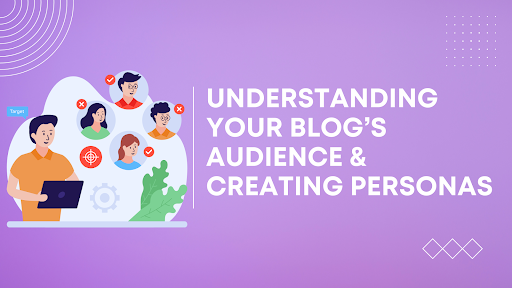
Simply put, buyer persona is the detailed description of our target customer. Persona analysis is a way of creating detailed profiles, or “personas,” of your typical customers. It’s not about making imaginary friends; it’s about understanding real people who might be interested in what you have to offer.
It tells you the specific details of a person such as their background, experience, personal vs. professional life balance, areas of focus and responsibilities, and their roles in their jobs. It also includes their buying process, time and reason (the when and why) of buying, and their goals in life.
Persona analysis tells you a lot about individual buying behavior and ideal customer key attributes. This data will help you to make better strategies to target your customers. Now, let’s discuss how we can find this information from your PPC account data.
Once you’ve got these personas figured out, you can tailor your services and promotions via PPC ads to suit each group. It’s like offering the fiction lover a first look at new arrivals or giving the student a heads-up on textbook discounts.
Retrieving customer key attributes through Paid Search Data
First of all, you should collect all the information available through tools regarding the demographic and psychographic details of your users.
Demographic details include dry facts about a customer such as age, sex, education level, marital status, income, occupation, religion, etc.
The psychographic details include personality, habits, hobbies, lifestyles, interests, beliefs, opinions, attitudes, psychiatric inclinations, spending habits and values, etc.
Retrieving key attributes of a user or better targeting
This information can be used for better targeting and better account performance.
The key indicators we can use to get this information include individual order history and his surfing pattern.
Let’s say someone by the name of Arvind uses Amazon.in for online shopping. Now, consider his demographic details:
He is 35
He is a marketing manager
He works with an MNC in Mumbai
His office address is mentioned in the database, which tells us that he works for a CMMI level 5 company,
The average salary of a manager is Rs. 10 lakhs per annum in that company.
This is secondary information and is subject to verification, but this is valuable firsthand information.
Using Order History for PPC Strategies
Furthermore, let’s assume his order history includes buying management and self-help books, electronic gadgets (such as smartphones, tablets, speakers, and earphones), car accessories, deodorants, clothes, gifts, and watches.
Occasionally, he also buys baby items, which indicates that he is married and perhaps has children. Wow! that’s a lot of intelligence about Arvind browsing your online web store.
You can also have a look at the items he has viewed or are there on his wish list. We also have the data related to time spent on a particular product page or reading reviews of a particular product. This will tell us what is going on in his mind or what might be planning to buy in the future.
Now, imagine that Valentine’s Day is approaching. What should Amazon flash in terms of display ads on his iPad, iPhone, or laptop? I think he is game for a beautiful gift (could be a watch, a dress, or a piece of jewelry) for his wife or girlfriend.
There can be hundreds of such indicators or data points, which can be used to target our customers.
Tools to build personas
One of the tools we can use to explore this data is Google’s Dimensions Tab.
This data will help you to build customer personas. Location View in Google’s Dimensions Tab tells us which part of the region the conversions are taking place. So, don’t be surprised if you see a sudden spurt in sales of gifts made from jute in the South Indian region during Navratri, the Hindu festival.
You’re likely to benefit from display ads targeting that region, for the products which are in huge demand on certain occasions like religious festivals, etc.
1. Distance View
This feature allows you to view your account’s performance based on geographical distances from your business address.
2. Time View
This feature enables you to view the time of the day (along with the date), when your ad receives clicks and conversions.
So, there are numerous insights Dimensions Tab provides you specifically about customer preferences. You can hardly get any demographic details using this tool, but you get some good insight into the psychographic details and buying patterns of your visitors.
It also reveals valuable data about the most preferred times and days when people surf the web looking for information related to your products.
Key takeaway
We can use the Google Dimensions Tab to gather useful information related to the location and psychographics of your customer.
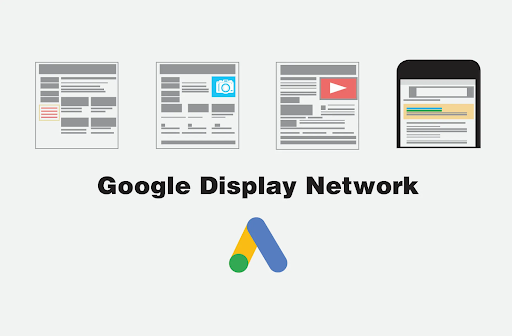
Information that is collected in bits and pieces through GDN isn’t very useful until you merge all the data and get a complete picture. It gives you a broader overview of a customer’s overall personality and buying pattern. Now, you can convert this persona analysis into actionable insights.
Actionable PPC ads account work using persona analysis
We can take the following steps to convert this information into actionable steps.
1. Improve your keyword selection
According to PPC Hero, we use keywords with different variations of basic root keywords. With persona analysis, we can further expand the keywords that we are targeting. So targeting specific needs is far more effective than using generalized keywords.
2. Intent-based copywriting for PPC ads
Use emotions to convert. You can also focus on benefits that generate better responses.
3. Intent-based landing pages
If you have a good ad copy to attract visitors, the expectations from your landing page also increase in that ratio. Your landing page should meet the requirements and expectations of the personas you’ve developed.
For example, let’s assume that conversion is defined as someone attending the career counseling program organized by Akash Institute. According to the persona analysis, the targeted customer segment of Akash comprises 16 to 18-year-old students, who might be either appearing for or have passed their 10+2 exams and might also be preparing for engineering and medical entrance tests conducted by the prestigious institutes in India.
Using the analysis, sharing the lists of successful candidates, who have already cleared the competitive exams such as IIT-JEE or MBBS entrance tests, can lead to conversion. Akash Institute’s web-marketing team can introduce animations or graphics on their landing page highlighting the previous years’ toppers in IITJEE and AIIMS entrance tests etc.
A complete list of successful candidates, who had attended coaching classes at Akash Institute will also help in conversion. It will emotionally connect Akash with their desired audience and will convince the students how these coaching classes will help them bag the top ranks at these prestigious institutes.
How to Optimize Campaign Budgets for Maximum Results
With strategic planning and ad spending monitoring, you can maximize the ROI of your campaigns. We’ve mentioned four proven tactics that will help optimize your campaign budgets:
Segment by Campaign Goals
Divide your budget based on your campaign goals like brand awareness, lead generation, or conversions.
Use Automated Bidding Strategies
There are tools like Google’s automated bidding that help manage costs efficiently. Features like Target ROAS (Return on Ad Spend) or Maximize Conversions can adjust bids in real time to get the most value from your spending.
Set Geographical Targets
Utilize geographical insights with the help of tools like Google Ads and focus your ad spend on regions with the best performance. Let’s say some cities or regions consistently perform well, then concentrate your efforts there to improve efficiency.
Monitor and Adjust Regularly
PPC campaigns require continuous monitoring and optimization. Meanwhile, identify areas of improvement and redirect funds to higher-performing campaigns.
Pay-per-click (PPC) advertising has become a vital tool for businesses seeking to increase their online presence and deliver targeted visitors in the fast-paced world of digital marketing.
PPC platforms provide a variety of tools and capabilities for implementing effective advertising campaigns, ranging from ad development to audience targeting. Many platforms also support bumper ads for quick, impactful messaging that reinforces brand presence without requiring lengthy user engagement.
Let’s dive into the world of some of the best PPC platforms, with an emphasis on PPC strategy, PPC advertisements, and the power of PPC remarketing.
Google Ads – The kingpin of PPC
When it comes to pay-per-click advertising, Google Ads is the uncontested leader. With features like dynamic sitelinks, which automatically pull in relevant links to match user intent, Google Ads enhances ad relevance and drives higher engagement rates. This broad reach enables companies to display tailored advertisements across the Google search engine and its partner websites.
Advertisers can reach their ideal audience by targeting certain keywords, demographics, and regions using Google’s advanced algorithms.
PPC strategies with Google Ads
Google Ads offers a variety of PPC strategies, including:
Keyword targeting: Choose relevant keywords to trigger your ads and ensure they appear when users search for specific terms.
Ad extension: Enhance your ads with additional information like site links, phone numbers, and location extensions to increase visibility.
PPC remarketing: Reconnect with users who have previously interacted with your website, reinforcing your brand and encouraging them to convert.
Facebook Ads – Targeting the social ecosystem
Facebook Ads has grown into a social media advertising behemoth and is considered to be a key tool when crafting PPC strategies.
Businesses can easily reach certain demographics based on interests, activities, and even life events thanks to its enormous user base and comprehensive targeting choices.
The platform provides a variety of PPC ad types, including picture and video advertisements, allowing for visually engaging campaigns, and is a great place to target your PPC remarketing efforts.
Carousel ads: Display multiple images or videos in a single ad, allowing for a more immersive and interactive experience.
Lead ads: Collect valuable information from potential customers without redirecting them to an external landing page.
Dynamic ads: Automatically show personalized content to users who have previously visited your website or interacted with your app, highlighting the benefits of responsive display ads in reaching varied audiences with tailored content.
Microsoft Advertising – Tapping into Bing’s potential
Microsoft Advertising, formerly known as Bing Ads, is another big PPC player. Although Microsoft Advertising may not have the same user numbers as Google, it can provide a more cost-effective option to formulate your PPC strategies with a potentially untapped audience. It works in tandem with the Microsoft Search Network, which includes Bing and Yahoo.
PPC remarketing with Microsoft Advertising
Audience targeting: Utilize Microsoft Advertising’s audience targeting options to reach specific demographics and increase the relevance of your ads.
PPC Ads scheduling: Optimize your campaign by scheduling ads to appear at specific times when your target audience is most active.
Keyword research: Leverage the platform’s keyword research tools to identify and target relevant keywords for your ads.
Understanding and implementing efficient PPC techniques can make or break your online presence, whether you’re a seasoned marketer or a start-up. The benefits of PPC advertising are evident when you design targeted campaigns, which help attract qualified visitors and offer measurable results. For those seeking specialized guidance, a PPC agency in India can offer valuable insights to further enhance targeting and ROI. Let’s look at the fundamental components of successful PPC campaigns, with an emphasis on PPC ads and PPC remarketing.
1. Keyword research – The foundation of PPC success
To succeed in your paid search campaign, you must understand your target audience first. In the case of online marketing, the channels we use can be electronic, but ultimately these are real people (with emotions, needs, and desires) that we deal with. The more you understand your audience, the deeper would be the impact of your campaigns.
2. Crafting Compelling Ad Copy: Turning clicks into conversions
After you’ve determined your target keywords, it’s time to write a compelling ad copy. Your ad should be both relevant to the user’s search query and attractive enough to entice clicks. Highlight any unique selling propositions, marketing, or other aspects that distinguish your company.
A well-written ad text not only gets clicks but also plays an important part in boosting your Quality Score, which is a statistic used by search engines to evaluate the relevancy and quality of your advertising.
3. Utilize Ad extensions: Enhancing visibility and information
Ad extensions provide value and information to your PPC advertising, making them more desirable to users. To highlight extra information about your products or services, use site link extensions, callout extensions, and structured snippet extensions. This not only boosts the exposure of your ad but also gives people extra reasons to visit your website.
4. Dynamic ads: Tailoring content for personalized experiences
PPC remarketing is an effective method for re-engaging people who have previously visited but did not convert on your website. You may remind these people about your products or services and urge them to return by showing them tailored adverts when they visit other websites or social media platforms. Utilizing dynamic search ads in these remarketing campaigns enables automatic adjustments to match users’ search intent, making your ads more relevant and increasing conversion potential.
5. A/B testing: Optimizing for continuous improvement
Continuous improvement is key in the dynamic world of PPC advertising. Conduct A/B tests on various elements of your ads, such as headlines, ad copy, and visuals, to identify what resonates best with your audience. Use the insights gained from these tests to refine and optimize your PPC campaigns for better performance over time.
Latest Trends in PPC for 2025
Keeping up with the latest trends in PPC ensures your campaigns remain competitive and relevant in an evolving digital landscape. Here’s what to expect in 2025:
1. AI-Driven Campaign Optimization
AI tools like Performance Max are revolutionizing PPC by automating critical aspects such as audience targeting, bid adjustments, and ad placements. These tools analyze vast datasets in real-time, enabling you to create more personalized and effective campaigns with minimal manual effort.
2. Voice Search Integration
The rise of voice search means businesses need to adapt their strategies. Incorporate conversational, long-tail keywords like “best PPC strategies near me” to capture queries made through devices like Alexa, Google Assistant, or Siri, ensuring your ads remain relevant to modern search behaviors.
3. Interactive Video Ads
Platforms like TikTok and YouTube are transforming engagement with clickable, interactive video ads. These formats not only grab attention but also provide seamless pathways to conversions, making them an essential tool for brands looking to enhance customer interaction.
4. Privacy-First Advertising
With data privacy laws becoming stricter, marketers must adapt by prioritizing first-party data collection and contextual advertising. Instead of relying solely on cookies, focus on building direct relationships with customers while using privacy-compliant techniques to maintain ad relevance.
Closing Thoughts
In order to succeed in your paid search campaign, you must understand your target audience first. In the case of online marketing, the channels we use can be electronic, but ultimately these are real people (with emotions, needs, and desires) that we deal with. The more you understand your audience, the deeper would be the impact of your campaigns.
Mastering PPC techniques is critical for organizations wanting to succeed in the digital sphere in the ever-changing landscape of online advertising.
You can design focused campaigns that attract qualified visitors and offer measurable results by completing rigorous keyword research, writing appealing ad text, employing ad extensions, deploying dynamic advertisements, and embracing the power of PPC remarketing.
Stay flexible, tweak your advertisements on a regular basis, and see your PPC efforts develop into a powerful driver for business success.
Frequently Asked Questions (FAQs)
What are the 4 Cs of PPC?
Customer – Understand your audience and their needs.
Cost – Manage CPC, budget, and ad spend.
Convenience – Ensure a smooth user experience.
Conversion – Optimize for higher sales or leads.
What are CPC, CTR, and CPA in PPC?
CPC (Cost Per Click) – The amount paid for each click on an ad.
CTR (Click-Through Rate) – Percentage of people who click the ad. (Clicks / Impressions) × 100
CPA (Cost Per Acquisition) – Cost to acquire a customer. (Total Cost / Total Conversions)
How to increase CTR?
Write compelling ads, use strong CTAs, refine targeting, A/B test, add extensions, and optimize landing pages for conversions.
How many keywords should I use per ad group?
Use 1-20 keywords per ad group for better ad relevance, improved targeting, and higher-quality scores.
What are Quality Score and Ad Rank?
Quality Score measures ad relevance (1-10). Ad Rank decides ad placement, calculated as Quality Score × Max Bid.
What are the main benefits of PPC?
Instant traffic, precise targeting, measurable ROI, scalable campaigns, brand visibility, cost control, and competitive advantage over rivals.
Sarvesh Bagla is an enterprise SEO expert and industry leader who has driven transformational digital growth for India’s top brands across the BFSI, Healthcare, Automotive, and ECommerce industries. As the Founder and CEO of Techmagnate, he leads large-scale organic search strategies and performance marketing campaigns for businesses looking to succeed in today’s AI-driven search landscape.
A strong advocate for thought leadership, Sarvesh is deeply involved in SEO evangelism and regularly contributes to industry discussions through LinkedIn, webinars, and CMO roundtables. His focus today is on helping brands prepare for an AI-first SEO future (AEO, GEO) and strategies for Large Language Models (LLMs) at the core.
Get the most valuable search related insights about leading brands, trending keywords, search volumes, fastest growing categories, city-level insights and much more!
It has come to our notice that fraudulent job offers are being circulated on the internet through messaging apps like WhatsApp and Telegram, which falsely claim to be from Techmagnate. We take this matter seriously and would like to caution all candidates to be wary of such postings.
Please Note That –
We do not charge any fees/security deposit/payment from candidates, irrespective of the professional experience they hold, for job applications or interviews
Official communication channels include our website and verified social media accounts, primarily LinkedIn.
Kindly double-check the domain name – @techmagnate.com – in the email address
We follow a transparent and ethical approach for hiring/onboarding supported by proper documentation.
Ensure that you only apply through verified channels to avoid being scammed. We also recommend that you exercise caution when sharing personal information or financial details with any job posting or recruitment agencies claiming to represent us.
We want to ensure that potential candidates interested in joining Techmagnate have a safe and positive experience.
If you find that someone that fits the description above has reached out to you, please notify us immediately at jobs@techmagnate.com.
 Important Alert:
 Important Alert:


















 6th Feb | Invite-only


