Beware of fake job offers and payment requests. We only use official email IDs and never conduct interviews on messaging apps.Beware of fake job offers and payment requests. We only use official email IDs and never conduct interviews on messaging apps.
Summary: AI-generated content is not penalised by Google just because it was produced by AI. Rather, it prioritises following its E-E-A-T guidelines, as well as content quality and relevancy. Even though AI tools can speed up the generation of content, poorly thought out, or overly optimised AI material might lower SEO ranks. Businesses must make sure AI-generated content is fact-checked, human-edited, and user-focused in order to avoid penalties.
Key takeaways:-
As long as AI-generated material satisfies quality criteria and adheres to E-E-A-T guidelines, Google does not penalise it.
Regardless of whether it is produced by people or artificial intelligence, content must be correct, pertinent, and useful to users.
Overly optimised, repetitious, or poorly researched AI material might result in fines and lower SEO ranks.
Always use human knowledge to fact-check, edit, and improve AI-generated material to make sure it meets Google’s quality standards.
While AI may help with finding keywords, organising content, and coming up with ideas, human monitoring is crucial to preserving credibility and user confidence.
Remember the time before AI, when writing content meant conducting research, looking up references and creating a plan for what you wish to write and how to present it? However, with the rise of artificial intelligence (AI), all that has changed. AI has truly transformed the manner in which we create content. Be it blog posts or product descriptions, people have moved at rapid speed to AI tools such as ChatGPT and Jasper, so that they can generate content at scale. However, as it happens with sudden shifts, even this turn of events has sparked a debate in the SEO community: Does Google penalize AI-generated content? And if it does, then what are the causes of google penalties?
A lot of content creators and companies are concerned that the use of AI tools can lead to penalties or decreased rankings on Google. But is this really the issue? Does Google really care about AI content when ranking content or does quality of content is what ultimately matters? In fact, what weight does “quality” hold and are there any benefits of using AI in SEO to promote their websites in a safe way?
Table of Contents
What is AI-Generated Content?
According to IBM, “AI-generated content is any type of content, such as text, image, video or audio, which is created by artificial intelligence models. These models are the result of algorithms trained on large datasets that enable them to produce new content that mimics the characteristics of the training data.”
There are several technologies available online in current times that enable users to create bulk information. These technologies produce work that seems produced by a human employing sophisticated algorithms and natural language processing (NLP) techniques. Among the usually used instruments are:
ChatGPT: Designed to react to texts in a humanlike manner, this chatbot
GPT-3: An artificial intelligence tool capable of creating essays, papers, and other forms of writing.
Jasper: An automated helper with expertise in article creation for SEO and marketing.
These tools are very incredibly useful, and people have started heavily relying on them. But the question still remains: Does Google penalise AI content? The answer depends on how the content is utilized and if it passes Google’s quality check.
Discover What Your Customers Search ForDiscover What Your Customers Search For
Get insights on evolving customer behaviour, high volume keywords, search trends, and more.
And so, we come to answer the most important question when it comes to AI generated content: what is Google’s stance on AI-generated content? And to this end, Google has made it very clear that it, in fact, does not penalize content just because it has been created by AI. Rather, Google prioritizes the caliber and pertinence of said material.
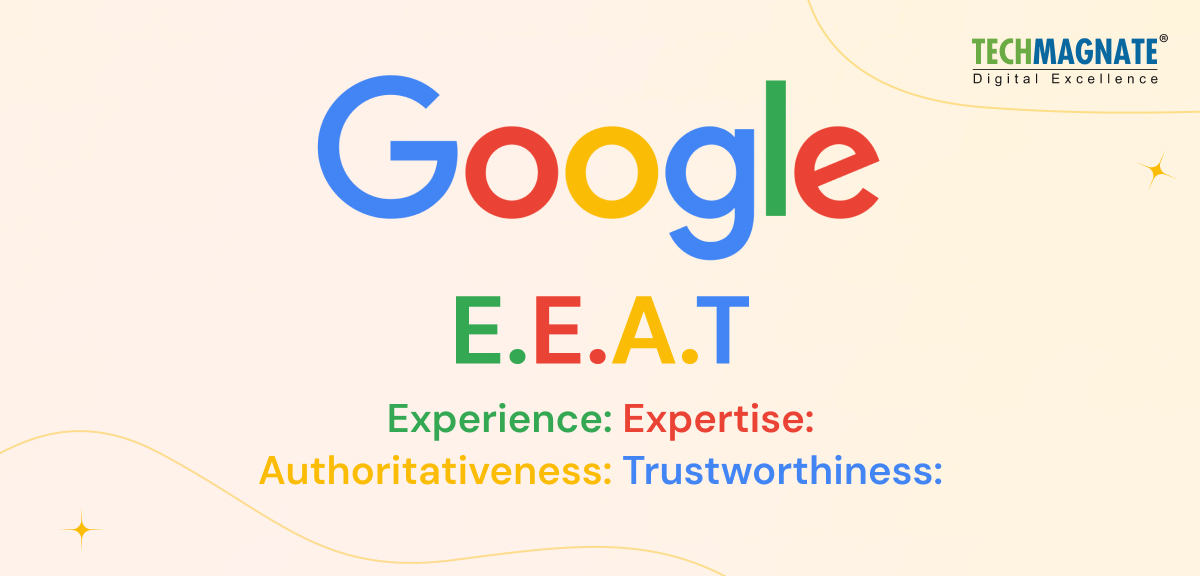
One should pay attention to Google’s update regarding its algorithm. Whether created by artificial intelligence or people, Google’s algorithms really only give reliable and helpful resources top priority. This implies that, provided it follows Google’s E-E-A-T Guidelines (Experience, Expertise, Authoritativeness, and Trustworthiness), even artificial intelligence (AI) developed has the capacity to score highly.
Therefore, it is crucial to keep in mind that even AI produced can be ranked well; yet, Google will not rank your AI-generated content if it is spammy, irrelevant, or of poor quality, therefore severely compromising your SEO initiatives.
Why Does Quality Matter Over AI Generated Content?
Google is the go to search engine for most people for a reason. It has one goal and one goal only: it wants to deliver the best possible answers to its users. When you go on to search something on Google, how likely are you to go to the second page of your results? Most people seek and trust answers from the first page, if not the first result itself. And this is why this search engine places such a strong emphasis on content quality rather than where it has originated.
To understand how Google figures out if your content is of good quality or not, you need to understand Google’s E-E-A-T framework. This is not a ranking factor, but instead it evaluates content based on the following factors:
Experience: Does the content reflect real-world experience?
Expertise: Is the author knowledgeable about the topic?
Authoritativeness: Is the content from a credible source?
Trustworthiness: Is the information accurate and reliable?
Even AI-generated content may meet these criteria if the author of said content does their due diligence. A well-researched and fact-checked article that has been vetted by a human can be just as valuable as one written entirely by a human. In fact, Google noted that by April 2024, a 45% decrease was seen in low-quality and non-original content in search results.
The Risks of Using AI for SEO
AI is not risk-free, even if it can be a very useful tool for content production. The following are some possible dangers to stay away from:
1. Poor Content
AI systems occasionally generate shallow, repetitive, or generic information. Google can penalize your website if it finds such information.
2. False Information
AI systems rely on pre-existing data, which is occasionally inaccurate or out-of-date. Should you present misleading information, your trustworthiness and rankings could decrease.
3. Excessive Optimization
Penalties may result from using AI to stuff keywords or produce content just for search engines. The user experience should always come first.
6 Ways to Rank Your AI Generated Content on Google
AI-generated content can be powerful, but to rank well on Google, it must go beyond automation. Google’s algorithms prioritize high-quality, relevant, and helpful content — regardless of whether it’s written by humans or machines. Here are six actionable strategies to help your AI content rank in search results:
1. Optimize for E-E-A-T (Experience, Expertise, Authoritativeness, Trustworthiness)
Google values content that demonstrates real expertise and trust. Add human insights, author bios, citations, and first-hand experience to make your AI content credible.
2. Edit and Humanize AI Text
AI output can be generic or repetitive. Always review, refine, and inject personality or brand tone to ensure the content feels authentic and engaging.
3. Use the Right Keywords Strategically
Conduct keyword research and naturally incorporate primary and secondary keywords. Ensure proper use in the title, meta tags, headers, and throughout the content.
4. Match Search Intent
Align content with users’ search intent — whether informational, transactional, or navigational. Answer questions directly and comprehensively.
5. Add Unique Value
Don’t just rephrase existing content. Enhance AI-generated posts with original examples, case studies, data, visuals, or expert commentary to stand out.
6. Maintain Technical SEO Best Practices
Ensure fast loading speeds, mobile responsiveness, clean URLs, internal linking, and a proper heading structure. Good technical SEO boosts rankings for all content types.
Google’s Helpful Content Update – Impact on AI-Generated Content
Google’s Helpful Content Update is designed to prioritize content that’s created for people, not just search engines. With the rise of AI tools like ChatGPT and Jasper, many marketers are asking: Can AI-generated content still rank under this update? The answer lies in how well that content aligns with Google’s quality standards.
Key Impacts on AI-Generated Content
People-First Content Is Key – AI-generated content that lacks depth, originality, or real user value may be downranked, even if it’s SEO-optimized.
Overuse of AI Can Trigger Signals of Low-Quality – Sites filled with thin, generic AI content are at risk of site-wide ranking drops if deemed unhelpful by Google.
Original Insights Win – Google rewards content that offers first-hand experience, expertise, and new perspectives—something raw AI often lacks.
Human Review Is Essential – AI content that is carefully edited, fact-checked, and tailored to user intent is far more likely to pass Google’s quality filters.
Content Strategy Over Quantity – Publishing hundreds of AI-generated posts won’t help if they don’t meet Google’s “helpful” criteria. Focus on user intent and topical relevance.
How to Align AI-Generated Content with Google’s Guidelines ?
Use these practices to make sure your AI-generated content ranks highly and steers you clear of any causes of Google penalties:
1. Include Human Experience
AI-generated content should always be reviewed and edited to make sure it is in line with your brand voice and offers readers something of value.
2. Pay attention to E-E-A-T
To increase the credibility of your writing, include relevant statistics, professional insights, and real-world experiences.
3. Ensure Accuracy and Relevance
AI tools might not always provide up-to-date information. Use AI to enhance your content, but verify all facts to ensure your content is accurate and current. Conduct thorough research to maintain credibility and relevance.
4. Steer clear of keyword stuffing
Make natural use of keywords and concentrate on producing content that responds to user inquiries.
Can AI-Generated Content Help with SEO?
When used correctly, there are many benefits of using AI in SEO which can be a valuable asset for your overall strategy. Here’s an AI SEO guide for you to use it to the best of your advantage:
1. Keyword Research
AI tools can analyze search trends and suggest relevant keywords to target.
2. Content Organization
To improve readability, AI can assist you with structuring your text into distinct headers, subheadings, and bullet points.
3. Generating Ideas
Do you have writer’s block? AI can help you get started with your content development process by producing topic ideas and outlines.
The Future of AI and Google’s Algorithms
As AI technology continues to evolve, so will Google’s algorithms. Here’s what we can expect in the future:
1. Improved AI Detection
Google is likely to develop more advanced tools to detect low-quality AI content. However, the focus will remain on content quality rather than origin, highlighting the importance of AI SERP optimization to ensure your content performs well in search results.
2. Greater Emphasis on E-E-A-T
As AI becomes more prevalent, Google may refine its E-E-A-T guidelines to ensure users receive accurate and trustworthy information.
3. Integration of AI in SEO Tools
AI will play an increasingly important role in SEO tools, helping businesses optimize their content more effectively.
Conclusion
And so, the original question, “Does Google penalize AI content?” has a clear answer: While Google does not penalize AI-generated content that maintains high quality and meets Google’s guidelines, it also doesn’t rank low-quality content well. The same holds true across industries, understanding the Google AI impact on SEO for banks shows how quality and relevance still determine rankings, even in highly regulated sectors. Yes, AI tools can help simplify content creation, but human supervision is mandatory if you wish to maintain accuracy and provide relevant and valuable content to your audience.
Additionally, SEO improvements through AI require a focus on E-E-A-T principles and user experience to avoid penalties. The evolution of AI technology demands that SEO professionals stay informed and adaptable to preserve their competitive advantage.
As a results-driven content writing company, we ensure every piece of content blends accuracy, authenticity, and SEO excellence, keeping your brand future-ready in the AI era.
Frequently Asked Questions (FAQs)
Why is Google concerned about AI-generated content?
Google wants to make sure users find helpful, accurate, and trustworthy information. Some AI-generated content can be repetitive, vague, or even incorrect. If it’s created just to rank in search without adding real value, it can hurt the user experience. Google isn’t against AI itself—it’s concerned about low-quality or spammy content made using AI. Their goal is to promote content that’s written for people, not just for algorithms.
What types of AI content does Google consider low quality?
Google considers AI content low quality if it’s shallow, copied, misleading, or created just to manipulate search rankings. Examples include keyword-stuffed articles, generic posts without useful insights, and content that lacks accuracy or relevance. If AI-generated content doesn’t help the reader or feels robotic and repetitive, it could be flagged as unhelpful. Quality matters more than how the content is made—so human review, editing, and adding value is essential.
How does AI content affect E-E-A-T (Experience, Expertise, Authoritativeness, Trustworthiness)?
AI content can struggle to meet Google’s E-E-A-T standards. That’s because AI doesn’t have real-world experience or personal expertise. It often lacks trust signals like author bios, original research, or personal stories. However, if you edit AI content, add human insights, link to trusted sources, and show your authority on the topic, you can still meet E-E-A-T guidelines. The key is to combine AI efficiency with human credibility.
Is it safe to use AI content for blog posts and landing pages?
Yes, it’s safe—as long as the content is high-quality, relevant, and edited by humans. AI can help speed up content creation, but you should always review it for clarity, accuracy, and tone. Use it to generate ideas, outlines, or first drafts, but make sure the final content speaks to your audience and meets Google’s helpful content standards. Avoid publishing raw AI text without customization or proofreading.
Can using too much AI content lead to a manual penalty?
Using too much unreviewed or low-quality AI content might trigger issues, especially if it looks spammy or repetitive. While Google doesn’t penalize AI content just for being AI-made, manual penalties can happen if your site has lots of thin, misleading, or auto-generated content that violates Google’s policies. To stay safe, focus on quality and always add a human layer to review, refine, and enrich the AI-written material.
Is mixing human and AI content a good strategy?
Yes, combining human and AI content is often the best approach. AI can speed up research or help with outlines, but humans add the personality, depth, and real expertise that Google and readers love. This hybrid strategy helps you publish faster without sacrificing quality. Use AI for structure and efficiency, then let a writer or editor add insights, refine tone, and ensure accuracy. It’s a win-win for SEO and content quality.
Can Google actually detect if my content is AI-generated?
While Google’s main goal is quality, they are expected to develop more advanced tools to detect low-quality AI content in the future. However, the focus will always remain on the content's value and caliber rather than its origin.
How does the “Helpful Content Update” specifically change my AI strategy?
This update prioritizes "people-first" content. If your AI content is just thin, generic, or rephrased information without original depth, it is at risk of being down ranked. You need to ensure your AI tools are producing content that answers user questions directly and comprehensively.
What “extra ingredients” must I add to AI text to make it rank?
Raw AI often lacks the "secret sauce" Google loves: original insights, case studies, and first-hand experience. To rank well, you should inject your brand’s personality and add unique visuals or data that a machine simply can’t invent.
Can AI actually improve my technical SEO, not just my writing?
Absolutely! Beyond just writing, AI is a powerhouse for organizing content structure with proper headers and bullet points to improve readability. It can also help you analyze search trends and identify high-volume keywords to target strategically.
Why is “Human Review” considered mandatory for AI-generated posts?
AI tools aren't perfect; they can rely on outdated data or generate "shallow" and repetitive info,. Human oversight is essential to fact-check the material, ensure it aligns with your brand voice, and maintain the trust of your audience.
How can I use AI to overcome writer’s block without hurting my SEO?
You can safely use AI as an automated helper to generate topic ideas, outlines, and initial drafts. This speeds up the creation process while allowing you to focus your energy on adding the E-E-A-T (Experience, Expertise, Authoritativeness, and Trustworthiness) that Google rewards.
Neha Bawa is the Director of Brand Marketing at Techmagnate. She has worked in Digital Marketing since 2012 and has specialised in content creation. She has earned a Master’s degree in Interactive Communications from Quinnipiac University in Connecticut, U.S.A. Her interests lie in creating great content, docs, and working towards sustainability through biodiversity.
Get the most valuable search related insights about leading brands, trending keywords, search volumes, fastest growing categories, city-level insights and much more!
It has come to our notice that fraudulent job offers are being circulated on the internet through messaging apps like WhatsApp and Telegram, which falsely claim to be from Techmagnate. We take this matter seriously and would like to caution all candidates to be wary of such postings.
Please Note That –
We do not charge any fees/security deposit/payment from candidates, irrespective of the professional experience they hold, for job applications or interviews
Official communication channels include our website and verified social media accounts, primarily LinkedIn.
Kindly double-check the domain name – @techmagnate.com – in the email address
We follow a transparent and ethical approach for hiring/onboarding supported by proper documentation.
Ensure that you only apply through verified channels to avoid being scammed. We also recommend that you exercise caution when sharing personal information or financial details with any job posting or recruitment agencies claiming to represent us.
We want to ensure that potential candidates interested in joining Techmagnate have a safe and positive experience.
If you find that someone that fits the description above has reached out to you, please notify us immediately at jobs@techmagnate.com.
 Important Alert:
 Important Alert: