Beware of fake job offers and payment requests. We only use official email IDs and never conduct interviews on messaging apps.Beware of fake job offers and payment requests. We only use official email IDs and never conduct interviews on messaging apps.
Summary: Learn how to speed up your ecommerce product pages for better SEO and user experience. Learn about key tactics for ensuring fast load times, such as browser caching, image optimization, and the use of CDNs. These strategies not only improve site performance but also boost conversion rates by keeping visitors engaged.
Page load speed refers to the duration it takes for a webpage to completely show its content following a user’s click on a link. It’s one of the most important elements when it comes to Ecommerce SEO. In today’s internet forward world, users anticipate websites to load with near-instantaneous speed.
The research shows that 53% of mobile users abandon websites if it takes more than three seconds to download. For ecommerce websites, where the emphasis is on the conversion of visitors into customers, this can significantly hamper this process.
Key Takeaways:-
Faster page load times increase user satisfaction and lower bounce rates on ecommerce sites, which is critical for customer retention and purchase encouragement.
Optimizing page load speed improves SEO performance by increasing visibility and driving more organic traffic to ecommerce product pages.
Implementing strategies such as image optimization, reducing HTTP requests, and utilizing CDNs can significantly improve page load times, thereby improving overall site performance and experience.
Table of Contents
Impact on User Experience
Whenever a page loads slowly, users tend to leave the site and look for alternatives, which results in higher bounce rates. This is particularly harmful when they are ecommerce sites because they need to keep their audiences’ attention, showcase products well, and guide them through the purchasing process.
Discover What Your Customers Search ForDiscover What Your Customers Search For
Get insights on evolving customer behaviour, high volume keywords, search trends, and more.
SEO for ecommerce product pages plays a critical role in driving organic traffic and improving search rankings for ecommerce product pages. Optimized pages enhance visibility as well as boost the ability to convert visitors into buyers. This particularly applies to organizations and big websites trying hard to survive within a very competitive environment while providing an inexpensive approach for long-term sustainable revenue growth.
Page Load Speed and Ecommerce SEO for Product Page
Page load speed is the measure of how fast web pages open when searched by users. Faster loading pages are preferred by search engines, particularly on mobile devices where user experience is crucial.
The significance of optimizing for speed of website content is emphasized by factors such as Google’s Core Web Vitals, which include Largest Contentful Paint (LCP), First Input Delay (FID) and Cumulative Layout Shift (CLS). It ensures that the web pages can be found easily on different devices and search platforms.
Speeding up Page Load Time
Modern tools provide in-depth analysis and practical suggestions in order to improve the efficiency of loading speed. By getting rid of slow load times, a site can achieve better search rankings, better user experiences, and improved overall performance, thus leading to more traffic and higher conversion rates. To measure how much your speed optimizations contribute to conversions, try the Conversion Rate Calculator.
8 Best Practices for Optimizing Product Page Speed on Ecommerce Websites
Optimizing product page speed is crucial for ecommerce success. Implementing these 8 best practices can significantly improve load times, enhance user experience, and boost conversions, leading to better overall site performance.
1. Optimizing Pictures
Large and excessive-sized images are responsible for making pages take longer to open. Thus, free image compression software is useful to reduce sizes with no loss in quality.
Compression: Tools like TinyPNG, JPEGmini and ImageOptim can compress images without visible loss of data.
Responsive Images: Employ the srcset attribute so that different devices receive different image sizes, meaning users only download the appropriate size for their devices.
Next-Generation Formats: Try utilizing next-gen styles of pictures such as WebP, which is capable of higher squeezing than traditional ones like PNG and JPEG.
2. Minimizing HTTP Requests
HTTP requests must be made by each element that appears on a page; this includes scripts, stylesheets, even images. Minimize these requests by combining files, using CSS sprites for images, and removing unnecessary elements.
CSS Sprites: Combine multiple photos into one file through CSS sprites such that fewer HTTP requests are necessitated.
Remove Unnecessary Elements: Evaluate your site’s contents carefully while you eliminate external scripts or styles that increase the number of HTTP requests.
3. Leveraging Browser Caching
Browser caching saves static files on the user’s device, which do not need to be reloaded every time the website is visited. Optimum cache expiration times for static resources should be set to help improve load times upon repeated visits, which in turn can positively impact crawl budget by allowing search engines to allocate resources more efficiently.
Set Expiration Headers: Cache-control headers can be used to determine when a resource expires so that browsers know how long they can keep them before they request them again.
Versioning: Employing cache-busting techniques ensures that users acquire the latest versions of assets in case any changes are made.
4. Using Content Delivery Networks (CDNs)
With CDN, content is distributed across numerous servers all over the world, thus minimizing the distance between a server and a user. As a result, it reduces latency and improves the browsing experience.
Geographic Distribution: CDNs keep multiple copies of your content worldwide so that users can access your site from their nearest servers.
Improved Load Times: CDNs significantly reduce data travel distances, making them quite effective, especially in improving loading speeds for international users.
5. Minifying CSS, JavaScript, and HTML
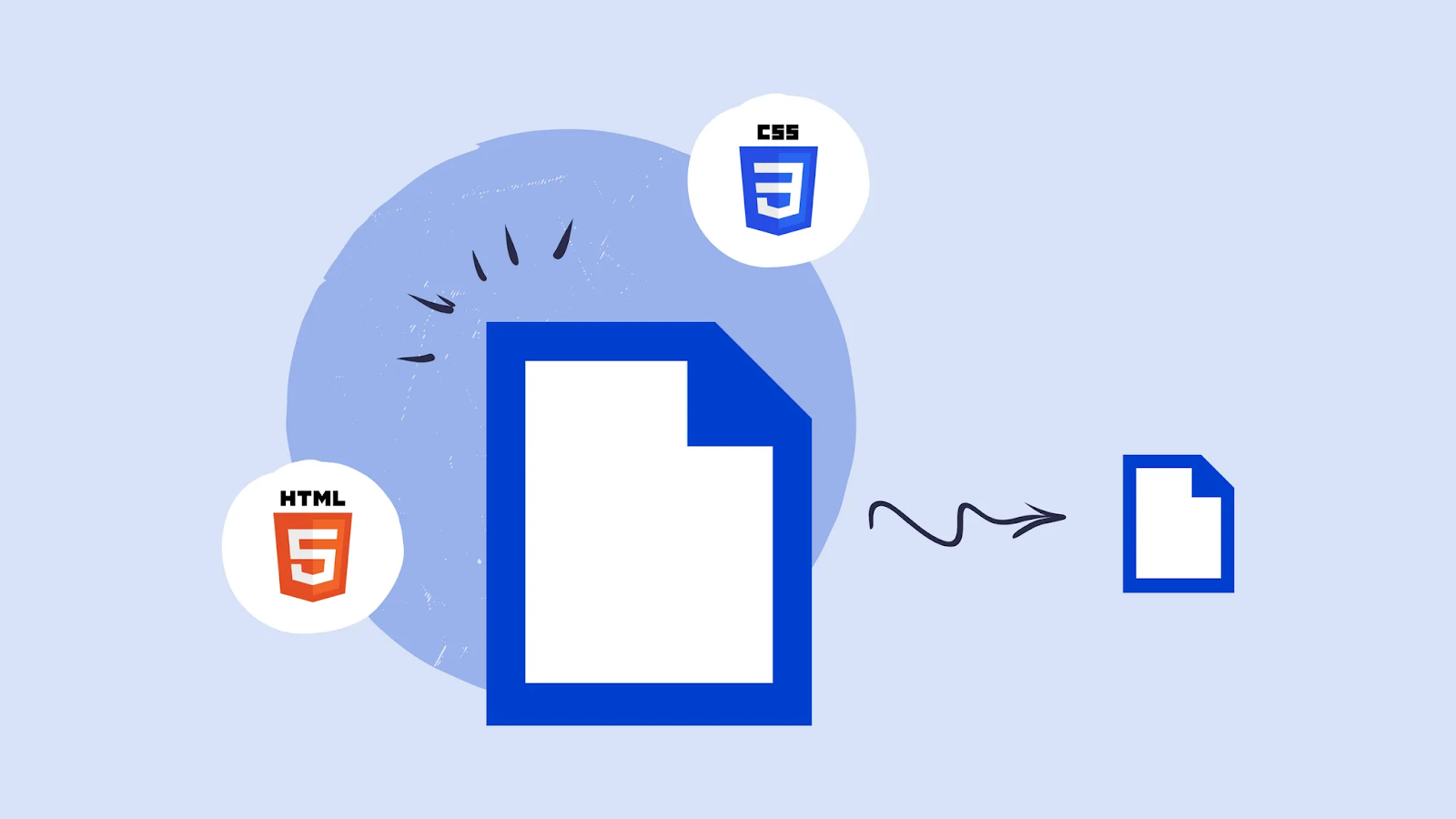
Minification eliminates unnecessary characters from code while maintaining its functionality. For instance, there are CSS tools that can help reduce file sizes to speed up load times.
Minification Tools: You may use utilities such as HTMLMinifier to strip out spaces, notes or irrelevant characters from code snippets during the development process.
Automation: To ensure your production code is always optimized, you should have automated build processes that minimize your files during deployment time.
6. Enabling Compression
By enabling compression on a server one can compress HTML, CSS, and JavaScript files to smaller sizes hence reducing page load time considerably faster than normal pages do without it being turned on.
Server Configuration: Configure your server in such a way that it compresses the files before sending them to the browser thereby reducing the amount of data that needs to be sent.
Gzip/Brotli: By turning on Gzip or Brotli compression you can reduce your files up to 70% thus speeding up their load times.
7. Server response time reduction
Optimize your server configuration, switch to faster hosting services, and make better use of database queries to reduce the time it takes for a server to respond.
Optimized Hosting: Choose ecommerce-specific hosting solutions that are high-performance. Think about managed or dedicated hosting for better results.
Efficient Queries: Make significant modifications to your database queries so as to reduce the data fetching duration from the server.
Server Caching: Implementing server-side caching, where data that is often accessed is stored in memory so that there would be no need to query the database every time a request is made.
8. Infinity scroll
In order to load content dynamically while the user scrolls instead of loading all items at once on pages with many items there should be an infinity scroll. It helps in improving initial load times and provides a more seamless browsing experience as well.
Dynamic Loading: Load additional content by scrolling down the page which allows you to view products without waiting for the whole page to load (minimizing initial load time).
User Experience: Infinity scroll can enhance users’ experiences, thereby allowing them to spend more time on the site.
Advanced Strategies for Speed Optimization
1. Implementing Lazy Loading
Lazy loading delays loading resources until they are required and reduces initial page load times, thus saving bandwidth.
Image Lazy Loading: Introduce the lazy loading concept into images. When they appear inside the user’s viewport, only then does the image load.
Video and Iframe Lazy Loading: Delay video and iframes loading with lazy loaders.
2. Web Hosting Optimization
Go for a hosting provider that offers highly performing servers with optimized configurations for ecommerce websites. To improve your website’s performance, you may also consider dedicated or managed hosting.
Servers with High-Performance Capabilities: Opt for those offering high processing power, fast SSD storage and sufficient bandwidth.
Managed Hosting: Managed hosting services usually have performance optimization features such as caching, CDN integration and automatic updates that can help boost your site’s performance.
3. Using Accelerated Mobile Pages (AMP)
AMP is a framework designed to build mobile pages that load quickly. It improves user experience on mobile devices while increasing visibility in mobile search rankings.
Mobile Performance: AMP pages are specifically designed to load quickly on mobile devices, improving user experience and reducing bounce rates.
Search Rankings: Google ranks AMP pages highly in its mobile search results, potentially increasing your site’s visibility and traffic.
4. Monitoring and Maintaining Page Load Speed
Conducting a thorough ecommerce SEO audit with tools like Google PageSpeed Insights, GTmetrix, and WebPageTest helps monitor performance and identify new areas for improvement.
Quarterly Audits: Regular audits should be scheduled so that optimal performance of your webpage is maintained at all times.
Performance Metrics: Leave room for continuous monitoring of Key Performance Indicators such as LCP, FID or CLS so that the web page meets the desired level of quality criteria.
5. Keeping Plugins and Themes Updated
Ensure that you regularly update the plugin themes of our site for compatibility’s sake. Outdated plugins slow down sites and introduce security vulnerabilities.
Update Management: You can implement an update management system to ensure all plugins, themes or CMS are up-to-date.
Compatibility Checks: Test them out in a staging environment before applying updates to ensure they do not cause any performance-related issues or conflicts within your system.
Improve your page load speed for better site performance
Improving page load speed is vital in enhancing user experience, boosting SEO for ecommerce product pages and driving conversions. Our Ecommerce SEO guide and the above techniques and strategies will help you make your site perform optimally and provide a seamless shopping experience for your customers.
As done for other brands like Bajaj Mall, we can easily optimize your website for a seamless shopping experience that will keep your customers coming back. Our tried-and-true techniques ensure that your site runs smoothly, improving the user experience, increasing SEO rankings, and ultimately driving conversions.
Why is page load speed important for ecommerce product pages?
Page load speed is important for eCommerce product pages because it affects user satisfaction, search engine rankings, and sales. Faster pages keep customers happy, help your site rank better in search results, and can lead to more sales.
What tools can I use to measure my page load speed?
Begin by auditing the website structure and understanding canonical addresses. Then, the file format is defined, and the Sitemap is built by listing URLs to prioritize essential pages.
How does image optimization affect page load speed?
Optimizing images makes the site’s overall performance better by enabling it to load faster, improving user experience and helping in ecommerce SEO for product pages.
What does browser caching involve, and how does it contribute to speed improvement?
Browser caching stores static files locally on users’ devices, thus reducing reloading times when these files are accessed again from the server.
What are the benefits of using a CDN for my ecommerce site?
Content Delivery Networks (CDNs) allow web pages to be loaded quickly by distributing content among thousands of servers located in different parts of the world, thereby minimizing the geographical distance between the end users and your website servers.
How often should I audit my site’s performance?
Site performance audits should be done regularly every quarter or at any time there is a major modification, such as new feature additions, plugins installed or even content updates.
Neha Bawa is the Director of Brand Marketing at Techmagnate. She has worked in Digital Marketing since 2012 and has specialised in content creation. She has earned a Master’s degree in Interactive Communications from Quinnipiac University in Connecticut, U.S.A. Her interests lie in creating great content, docs, and working towards sustainability through biodiversity.
Get the most valuable search related insights about leading brands, trending keywords, search volumes, fastest growing categories, city-level insights and much more!
It has come to our notice that fraudulent job offers are being circulated on the internet through messaging apps like WhatsApp and Telegram, which falsely claim to be from Techmagnate. We take this matter seriously and would like to caution all candidates to be wary of such postings.
Please Note That –
We do not charge any fees/security deposit/payment from candidates, irrespective of the professional experience they hold, for job applications or interviews
Official communication channels include our website and verified social media accounts, primarily LinkedIn.
Kindly double-check the domain name – @techmagnate.com – in the email address
We follow a transparent and ethical approach for hiring/onboarding supported by proper documentation.
Ensure that you only apply through verified channels to avoid being scammed. We also recommend that you exercise caution when sharing personal information or financial details with any job posting or recruitment agencies claiming to represent us.
We want to ensure that potential candidates interested in joining Techmagnate have a safe and positive experience.
If you find that someone that fits the description above has reached out to you, please notify us immediately at jobs@techmagnate.com.
 Important Alert:
 Important Alert: