Beware of fake job offers and payment requests. We only use official email IDs and never conduct interviews on messaging apps.Beware of fake job offers and payment requests. We only use official email IDs and never conduct interviews on messaging apps.
Summary: This blog post discusses the importance of online reputation management (ORM) and provides a list of 10 popular ORM software tools. We also provide insights into the features, benefits, and practical applications of each tool, enabling readers to make informed decisions based on their online reputation management requirements.
What has been updated from the old blog post:
New sections added on the introduction of online reputation management tools and why is it important.
Differences between ORM tools, software, and platforms were explained.
A list of tools has been added to manage the online presence of brands.
A section on why these tools are important for a business added.
Everyone and everything is online these days, making a digital presence fragile. Therefore, online reputation management (ORM) has become an essential aspect of business success.
A company’s online reputation can make or break its brand perception, influencing customer decisions, investor confidence, and overall market standing. ORM encompasses a range of strategies and tactics for managing and improving a company’s online presence, primarily through monitoring and addressing online reviews, social media mentions, and other digital content.
In this blog post, we’ll cover the fundamentals of online reputation management;
What is Online Reputation Management (ORM)?
What is an ORM tool?
How to find the right tool for your business?
Best 10 ORM tools and their unique benefits.
Why Online Reputation Management Tools Are Useful For Your Business?
If you’re interested in learning about a specific tool, feel free to skip ahead to the tools section. For those seeking a comprehensive understanding of the topic from all angles, continue reading for a full 360-degree view.
Table of Contents
What is Online Reputation Management?
Online reputation management (ORM) is the practice of managing and influencing the public perception of a brand or individual online. It encompasses a range of activities, such as monitoring online mentions, responding to feedback, and removing negative content.
Discover What Your Customers Search ForDiscover What Your Customers Search For
Get insights on evolving customer behaviour, high volume keywords, search trends, and more.
An online reputation management tool is a service or software that helps individuals or businesses keep track of and enhance their online reputation. These tools can be used to monitor mentions of a brand or individual across a variety of online sources, such as social media platforms, review websites, and search engines. They can also be used to analyze sentiment, identify negative feedback, and track the effectiveness of ORM efforts.
In addition to these features, many ORM platforms offer advanced solutions that integrate multiple tools into a unified system, making it easier to manage online presence comprehensively. By utilizing the best ORM tools available, businesses can proactively address issues, engage with their audience, and maintain a strong digital reputation. These platforms often include sentiment analysis, competitor tracking, and automated alerts for new mentions, ensuring businesses stay informed and responsive in real time.
Such tools are particularly valuable for companies looking to protect their brand image, monitor feedback trends, and analyze the impact of their reputation management strategies. ORM platforms and the best ORM tools enable businesses to build trust with their audience while staying ahead in a competitive digital landscape.
Online reputation monitoring is important for several reasons. It can help businesses and individuals:
Build trust with potential customers
Manage and mitigate negative feedback
Gain a competitive advantage
Protect their brand image
What are the Main Differences Between Reputation Management Software, Tools, and Platforms?
Reputation management software, tools, and platforms are all used to manage and influence online reputation. However, there are some key differences between the three:
Reputation management software is typically a collection of tools or applications that are installed on a local computer or accessed through a web-based interface.
Reputation management tools are independent applications or services that perform specific tasks related to ORM.
Reputation management platforms are comprehensive software solutions that integrate several tools and features into a unified system.
Which Online Reputation Management Software, Tool, or Platform is Right for You?
The best online reputation management software, tool, or platform for you will depend on your specific needs and budget. Some factors to consider include:
The size and complexity of your online presence
The level of control you need over your ORM efforts
Your budget
Here is a list of 10 popular online reputation management software tools
Google Alerts
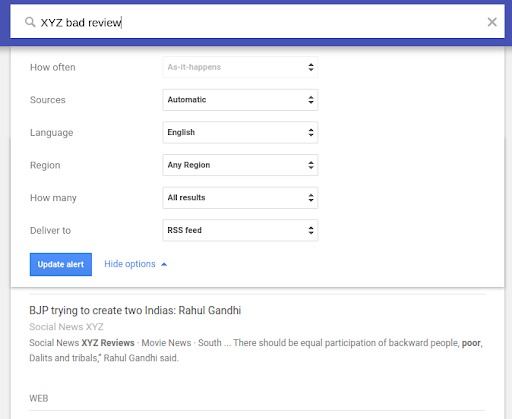
Google Alerts is a free tool that can be used as part of an online reputation management (ORM) strategy. It allows you to track mentions of your brand or keywords online, so you can be alerted to any negative feedback or issues that need to be addressed.
Here are some ways you can use Google Alerts for ORM:
1. Set alerts for money keywords: Set up alerts for your brand name, company name, and relevant keywords. This will help you to track any mentions of your brand online, so you can be alerted to any negative feedback or issues that need to be addressed.
2. Refine your alerts: Use advanced search operators to refine your alerts. For example, you can use the “OR” operator to track mentions of multiple keywords, or the “NOT” operator to exclude mentions of certain keywords.
3. Set an alert for negative words: Set up alerts for negative keywords and phrases. This can help you to identify any negative feedback about your brand or company that is being posted online.
4. Reply to each review: Respond to negative feedback promptly and professionally. This can help to mitigate the damage caused by any negative feedback and show your customers that you are committed to customer satisfaction.
5. Track and analyze your efforts: Use Google Alerts to track the effectiveness of your ORM efforts. By tracking the number of mentions you receive and the sentiment of those mentions, you can gauge how effective your ORM efforts are.
Here are some additional tips for using Google Alerts for ORM:
Be specific with your keywords: The more specific your keywords are, the more relevant the alerts you will receive.
Use a variety of keywords: Don’t just rely on your brand name or company name. Use a variety of keywords that are relevant to your industry and products or services.
Check your alerts regularly: Don’t set up alerts and then forget about them. Check them regularly to see if there are any new mentions of your brand that you need to be aware of.
Use Google Alerts in conjunction with other ORM tools: Google Alerts is just one tool that can be used for ORM. There are many other tools available, so use a variety of tools to get a comprehensive view of your online reputation.
Google Alerts is a valuable tool that can be used as part of an ORM strategy. It is a free and easy-to-use tool that can help you track mentions of your brand online and identify any negative feedback or issues that need to be addressed.
Sprout Social
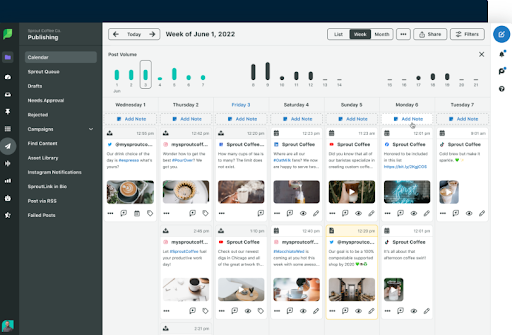
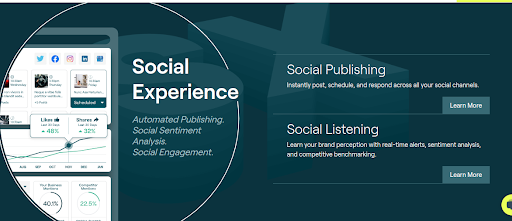
A versatile social media management platform that extends its capabilities to online reputation management (ORM). It offers a suite of features designed to help businesses monitor, track, and respond to online reviews, social media mentions, and customer feedback, enabling them to maintain a positive online presence.
Key ORM Features of Sprout Social:
1. Social Media Monitoring: Sprout Social’s social media monitoring capabilities enable businesses to track mentions of their brand, competitors, and relevant keywords across various social media platforms. This allows them to identify potential issues early on and take proactive steps to address them.
2. Review Management: Sprout Social provides tools to manage online reviews, enabling businesses to respond to both positive and negative feedback promptly and professionally. This demonstrates responsiveness and helps address customer concerns.
3. Sentiment Analysis: Sprout Social’s sentiment analysis feature assesses the overall tone of online conversations about a brand, helping businesses understand how their brand is perceived and identify areas for improvement.
4. Social Media Analytics: Sprout Social offers comprehensive social media analytics that provides insights into customer engagement, brand sentiment, and campaign performance. This data can be used to refine ORM strategies and improve overall online reputation.
Benefits of Using Sprout Social for ORM:
Centralized Reputation Management: Sprout Social streamlines ORM efforts by providing a centralized platform for managing social media presence, reviews, and customer feedback. This eliminates the need for multiple tools and simplifies the process.
Real-Time Alerts: Sprout Social’s real-time alerts notify businesses of new online mentions, reviews, and social media conversations, allowing them to respond promptly and address issues quickly.
Customizable Reporting: Sprout Social generates customizable reports that provide detailed insights into brand reputation, customer sentiment, and the effectiveness of ORM strategies.
Collaboration Tools: Sprout Social’s collaboration tools enable teams to work together effectively on ORM tasks, ensuring that everyone is on the same page and that issues are addressed promptly.
Integration with CRM Systems: Sprout Social integrates with popular CRM systems, allowing businesses to connect customer feedback with their customer relationship management data for a holistic view of customer interactions.
Sprout Social’s ORM features provide businesses with a comprehensive approach to managing their online reputation. Its centralized platform, real-time alerts, customizable reporting, collaboration tools, and CRM integration make it a valuable tool for businesses of all sizes.
Brand24 is a powerful online reputation management (ORM) tool that helps businesses monitor, analyze, and manage their online reputation across various sources, including social media, news websites, forums, blogs, and review sites. Its comprehensive suite of features enables businesses to track brand mentions, identify and address negative feedback, protect their brand image, and enhance their online presence.
Key ORM Features of Brand24:
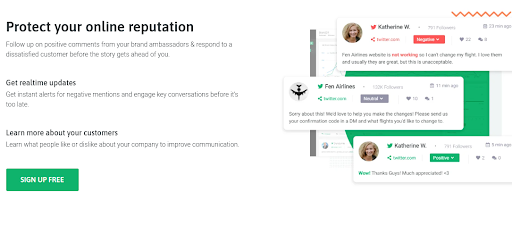
1. Real-time Brand Monitoring: Brand24 provides real-time alerts for brand mentions, ensuring that businesses are notified immediately of any new conversations or online discussions about their brand. This allows for timely responses to positive mentions and prompt mitigation of negative feedback.
2. Sentiment Analysis: Brand24’s sentiment analysis tool evaluates the overall tone of online conversations about a brand, categorizing mentions as positive, negative, or neutral. This provides valuable insights into how the brand is perceived and helps identify areas for improvement or crisis management.
3. Influencer Identification: Brand24 helps businesses identify key influencers within their industry or niche, enabling them to collaborate with influential individuals to promote their brand and reach a wider audience.
4. Competitive Analysis: Brand24 allows businesses to track and analyze their competitors’ online presence, providing insights into their brand reputation, marketing strategies, and customer feedback. This information can be used to benchmark performance and identify opportunities for differentiation.
5. Reporting and Analytics: Brand24 offers comprehensive reporting and analytics tools that provide businesses with detailed insights into their brand reputation, social media engagement, and the effectiveness of their ORM efforts. This data can be used to refine strategies and make informed decisions.
Benefits of Using Brand24 for ORM:
Proactive Reputation Management: Brand24’s real-time alerts and comprehensive monitoring capabilities enable businesses to proactively manage their online reputation, addressing issues early on and preventing reputational damage.
Enhanced Brand Awareness: Brand24 helps businesses track brand mentions and understand how their brand is perceived, allowing them to refine their messaging and enhance brand awareness.
Improved Customer Engagement: Brand24’s sentiment analysis and influencer identification tools provide insights into customer sentiment and help businesses engage with their audience effectively.
Data-driven Decision Making: Brand24’s reporting and analytics tools provide businesses with actionable data to inform their ORM strategies and measure the effectiveness of their efforts.
Holistic Reputation Management: Brand24’s ability to track mentions across various sources, including social media, news websites, and forums, provides a holistic view of a brand’s online reputation.
Brand24 is a valuable tool for businesses of all sizes seeking to effectively manage their online reputation. Its comprehensive feature set, real-time alerts, in-depth analytics, and focus on proactive reputation management make it a powerful asset for organizations looking to protect and enhance their brand image.
Mention
Mention is a versatile online reputation management (ORM) tool that empowers businesses to monitor, analyze, and manage their online presence effectively. It offers a suite of features designed to track brand mentions, identify and address negative feedback, protect brand image, and enhance online visibility.
Key ORM Features of Mention:
1. Real-time Brand Monitoring: Mention provides real-time alerts for brand mentions, ensuring that businesses are notified immediately of any new conversations or online discussions about their brand. This allows for timely responses to positive mentions and prompt mitigation of negative feedback.
2. Comprehensive Monitoring Reach: Mention extends its monitoring capabilities beyond social media to include news websites, blogs, forums, and other online sources, providing a holistic view of a brand’s online presence.
3. Sentiment Analysis: Mention’s sentiment analysis tool evaluates the overall tone of online conversations about a brand, categorizing mentions as positive, negative, or neutral. This provides valuable insights into how the brand is perceived and helps identify areas for improvement or crisis management.
4. Influencer Identification: Mention helps businesses identify key influencers within their industry or niche, enabling them to collaborate with influential individuals to promote their brand and reach a wider audience.
5. Collaboration Tools: Mention’s collaboration feature facilitates teamwork, allowing team members to share mentions, assign tasks, and track progress collectively, ensuring a coordinated and efficient approach to ORM.
Benefits of Using Mention for ORM:
Proactive Reputation Management: Mention’s real-time alerts and comprehensive monitoring capabilities enable businesses to proactively manage their online reputation, addressing issues early on and preventing reputational damage.
Enhanced Brand Awareness and Visibility: Mention helps businesses track brand mentions and understand how their brand is perceived, allowing them to refine their messaging and enhance brand awareness and visibility.
Improved Customer Engagement: Mention’s sentiment analysis and influencer identification tools provide insights into customer sentiment and help businesses engage with their audience effectively, addressing concerns and fostering positive relationships.
Data-driven Decision Making: Mention’s reporting and analytics tools provide businesses with actionable data to inform their ORM strategies, measure the effectiveness of their efforts, and make informed decisions to improve their online presence.
Streamlined Team Collaboration: Mention’s collaboration feature streamlines teamwork, enabling seamless communication and task management, ensuring that ORM efforts are handled efficiently and effectively.
Mention is a valuable tool for businesses of all sizes seeking to proactively manage and enhance their online reputation. Its comprehensive feature set, real-time alerts, in-depth analytics, and focus on collaboration make it a powerful asset for organizations looking to protect and elevate their brand image.
Semrush
Semrush is a versatile marketing toolkit that extends its capabilities to online reputation management (ORM). It offers a suite of features designed to help businesses monitor, track, and address online reviews, social media mentions, and customer feedback, enabling them to maintain a positive online presence.
Key ORM Features of Semrush:
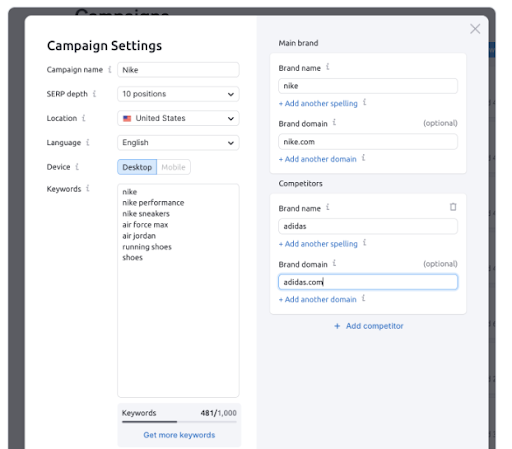
1. Brand Monitoring: Semrush’s brand monitoring tool called Surround Sound enables businesses to track mentions of their brand, competitors, and relevant keywords across various sources, including social media platforms, news websites, forums, and review sites. This allows them to identify potential issues early on and take proactive steps to address them.
2. Review Management: Semrush provides tools to manage online reviews, enabling businesses to respond to both positive and negative feedback promptly and professionally. This demonstrates responsiveness and helps address customer concerns.
3. Sentiment Analysis: Semrush’s sentiment analysis feature assesses the overall tone of online conversations about a brand, helping businesses understand how their brand is perceived and identify areas for improvement.
4. Social Media Analytics: Semrush offers comprehensive social media analytics that provide insights into customer engagement, brand sentiment, and campaign performance. This data can be used to refine ORM strategies and improve overall online reputation.
5. Backlink Analysis: Semrush’s backlink analysis tool helps businesses identify websites that are linking to theirs. This data can be used to assess the quality and authority of a website’s backlinks, which can impact its search engine rankings.
Benefits of Using Semrush for ORM:
Centralized Reputation Management: Semrush streamlines ORM efforts by providing a centralized platform for managing social media presence, reviews, and customer feedback. This eliminates the need for multiple tools and simplifies the process.
Real-Time Alerts: Semrush’s real-time alerts notify businesses of new online mentions, reviews, and social media conversations, allowing them to respond promptly and address issues quickly.
Customizable Reporting: Semrush generates customizable reports that provide detailed insights into brand reputation, customer sentiment, and the effectiveness of ORM strategies.
Integration with CRM Systems: Semrush integrates with popular CRM systems, allowing businesses to connect customer feedback with their customer relationship management data for a holistic view of customer interactions.
Competitive Analysis: Semrush’s competitor analysis tools provide businesses with insights into their competitors’ online reputation, backlink profiles, and keyword strategies. This information can be used to benchmark performance and identify opportunities for differentiation.
Semrush’s ORM features provide businesses with a comprehensive approach to managing their online reputation. Its centralized platform, real-time alerts, customizable reporting, CRM integration, and competitive analysis capabilities make it a valuable tool for businesses of all sizes.
Reputation.com
Reputation is a comprehensive online reputation management (ORM) tool that empowers businesses to monitor, analyze, and manage their online presence effectively. It offers a comprehensive suite of features designed to protect and enhance brand image, foster customer loyalty, and drive business growth.
Key ORM Features of Reputation.com:
1. Real-time Monitoring and Alerts: Reputation.com provides real-time monitoring of online reviews, social media mentions, and news articles, ensuring that businesses are notified immediately of any new conversations or online discussions about their brand. This allows for timely responses to positive mentions and prompt mitigation of negative feedback.
2. Sentiment Analysis and Insights: Reputation.com’s sentiment analysis tool evaluates the overall tone of online conversations about a brand, categorizing mentions as positive, negative, or neutral. This provides valuable insights into how the brand is perceived and helps identify areas for improvement or crisis management.
3. Review Management and Response Automation: Reputation.com’s review management tools enable businesses to proactively monitor and respond to online reviews across various platforms, including Google My Business, Yelp, Facebook, and TripAdvisor. This allows for prompt resolution of customer issues and demonstrates responsiveness, fostering trust and positive brand perception.
4. Negative Content Removal: Reputation.com’s negative content removal services help businesses identify and remove harmful or inaccurate content from the internet, including defamatory reviews, false accusations, and misleading information. This protects the brand’s reputation and prevents damage to the brand’s online presence.
5. Reputation Score Tracking: Reputation.com provides businesses with a reputation score, a metric that reflects the overall health of their online reputation. This score helps businesses track their progress over time and identify areas for improvement.
6. Consulting and Strategy Development: Reputation.com offers a range of consulting services to help businesses develop and implement effective reputation management strategies. This includes guidance on crisis communication, social media engagement, and customer relationship management.
Benefits of Using Reputation.com for ORM:
Proactive Reputation Management: Reputation.com’s real-time monitoring, sentiment analysis, and negative content removal capabilities enable businesses to proactively manage their online reputation, preventing reputational damage and fostering a positive brand image.
Enhanced Customer Satisfaction: Reputation.com’s review management tools help businesses address customer concerns promptly and demonstrate responsiveness, leading to improved customer satisfaction and loyalty.
Data-driven decision-making: Reputation.com’s reputation score and analytics provide businesses with actionable data to inform their ORM strategies and measure the effectiveness of their efforts.
Expert Guidance and Support: Reputation.com’s consulting services provide businesses with expert guidance and support to develop and implement effective reputation management strategies tailored to their specific needs and industry.
Comprehensive Reputation Protection: Reputation.com’s suite of features addresses all aspects of online reputation management, from monitoring and sentiment analysis to review management and negative content removal, providing comprehensive protection for brand image.
Reputation.com is a valuable tool for businesses of all sizes seeking to effectively manage and enhance their online reputation. Its comprehensive feature set, real-time alerts, in-depth analytics, consulting services, and focus on proactive reputation management make it a powerful asset for organizations looking to protect and elevate their brand image.
Trustpilot
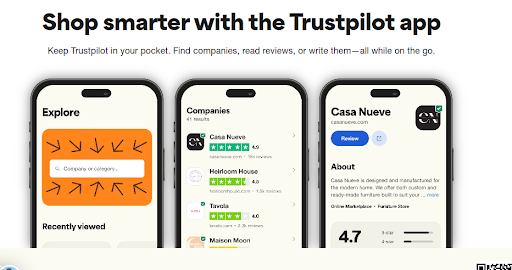
Trustpilot is a prominent online review platform that empowers businesses to collect, manage, and showcase customer feedback effectively. It serves as a valuable tool for online reputation management (ORM), enabling businesses to foster positive customer relationships, enhance brand credibility, and drive business growth.
Key ORM Features of Trustpilot:
1. Review Collection and Management: Trustpilot facilitates the collection of authentic customer reviews from verified purchasers, providing businesses with valuable insights into their products, services, and overall customer satisfaction.
2. Review Response and Resolution: Trustpilot empowers businesses to respond promptly and professionally to both positive and negative reviews, demonstrating responsiveness and addressing customer concerns effectively. This fosters trust and transparency, strengthening customer relationships.
3. Negative Review Management: Trustpilot provides tools to manage negative reviews, enabling businesses to address customer issues proactively and resolve disputes amicably. This minimizes the impact of negative feedback and prevents reputational damage.
4. Positive Review Promotion: Trustpilot’s badge program allows businesses to display their positive reviews prominently on their website, enhancing their credibility and attracting new customers. This showcases customer satisfaction and builds trust in the brand.
5. Review Insights and Analytics: Trustpilot provides valuable insights into customer feedback, including sentiment analysis, topic identification, and demographic trends. This data helps businesses identify areas for improvement and tailor their strategies accordingly.
6. Customer Engagement and Feedback Loop: Trustpilot facilitates ongoing customer engagement by enabling businesses to communicate directly with reviewers, address concerns, and gather valuable feedback. This fosters a positive customer experience and strengthens brand loyalty.
Benefits of Using Trustpilot for ORM:
Enhanced Brand Credibility: Trustpilot’s authentic reviews and visible badge program enhance brand credibility, establishing trust and confidence among potential customers.
Improved Customer Satisfaction: Trustpilot’s review management tools enable businesses to address customer concerns promptly and effectively, leading to improved customer satisfaction and loyalty.
Data-driven decision-making: Trustpilot’s review insights and analytics provide valuable data to inform business decisions, product development, and customer satisfaction initiatives.
Competitive Advantage: Positive reviews on Trustpilot can give businesses a competitive edge by showcasing their commitment to customer satisfaction and encouraging potential customers to choose their products or services.
Proactive Reputation Management: Trustpilot’s focus on review collection, response, and resolution enables businesses to proactively manage their online reputation and prevent reputational damage.
Trustpilot serves as a valuable tool for online reputation management, enabling businesses to collect, manage, and showcase customer feedback effectively. Its focus on customer engagement, positive review promotion, and data-driven insights empower businesses to enhance brand credibility, improve customer satisfaction, and gain a competitive advantage.
Birdeye
Birdeye is a comprehensive online reputation management (ORM) platform that helps businesses manage their online presence and reviews across multiple sources. It offers a wide range of features to help businesses collect, respond to, and analyze online reviews, as well as track their overall reputation score. Birdeye also provides insights into customer sentiment and helps businesses identify areas for improvement.
Key ORM Features of Birdeye:
1. Multi-Source Review Aggregation: Birdeye aggregates reviews from over 200 popular sources, including Google My Business, Yelp, Facebook, TripAdvisor, and industry-specific review sites. This provides a comprehensive view of a business’s online reputation.
2. Real-time Review Monitoring: Birdeye provides real-time alerts for new online reviews, allowing businesses to respond promptly and address any issues quickly. This helps to mitigate the negative impact of negative reviews and maintain a positive online presence.
3. Automated Review Requests: Birdeye automates the process of requesting reviews from customers, making it easy for businesses to collect more positive reviews.
4. Review Response and Resolution: Birdeye provides tools to help businesses respond to both positive and negative reviews promptly and professionally. This demonstrates responsiveness and helps to resolve customer issues.
5. Sentiment Analysis and Insights: Birdeye’s sentiment analysis tool evaluates the overall tone of online reviews, providing businesses with insights into how their brand is perceived. This data can be used to identify areas for improvement and develop more effective marketing and customer service strategies.
6. Reputation Score Tracking: Birdeye provides businesses with a reputation score, a metric that reflects the overall health of their online reputation. This score can be used to track progress over time and identify areas for improvement.
7. Social Media Management: Birdeye provides a social media management tool that allows businesses to schedule posts, track engagement, and analyze social media data. This can help businesses to improve their social media presence and generate more positive reviews.
8. Customer Relationship Management (CRM) Integration: Birdeye integrates with popular CRM systems, such as Salesforce and HubSpot. This allows businesses to connect customer reviews with their CRM data for a holistic view of customer interactions.
Benefits of Using Birdeye for ORM:
Centralized Reputation Management: Birdeye provides a centralized platform for managing online reviews, social media presence, and customer feedback. This eliminates the need for multiple tools and simplifies the process.
Proactive Reputation Management: Birdeye’s real-time alerts and automated review requests enable businesses to proactively manage their online reputation and address issues early on.
Data-driven decision-making: Birdeye’s sentiment analysis, reputation score tracking, and CRM integration provide businesses with actionable data to inform their ORM strategies and improve their overall customer experience.
Improved Customer Engagement: Birdeye’s review response and resolution tools help businesses engage with their customers more effectively, leading to improved customer satisfaction and loyalty.
Enhanced Brand Credibility: Birdeye’s focus on positive review collection and reputation score tracking helps businesses to build trust and credibility with potential customers.
Streamlined Customer Experience Management: Birdeye’s integration with CRM systems allows businesses to connect customer reviews with their customer relationship management data, providing a holistic view of customer interactions and enabling more personalized customer service.
Birdeye is a valuable tool for businesses of all sizes seeking to effectively manage and enhance their online reputation. Its comprehensive suite of features, real-time alerts, in-depth analytics, CRM integration, and focus on proactive reputation management make it a powerful asset for organizations looking to protect and elevate their brand image.
Hootsuite
Hootsuite is a popular social media management platform that also offers features for online reputation management (ORM). While it’s not as comprehensive as dedicated ORM tools, it can be a useful addition for businesses that already use Hootsuite for social media management.
Key ORM Features of Hootsuite:
1. Social Media Monitoring: Hootsuite’s social media monitoring tools enable businesses to track mentions of their brand, competitors, and relevant keywords across various social media platforms. This allows them to identify potential issues early on and take proactive steps to address them.
2. Review Management: Hootsuite provides tools to manage online reviews, enabling businesses to respond to both positive and negative feedback promptly and professionally. This demonstrates responsiveness and helps address customer concerns.
3. Sentiment Analysis: Hootsuite’s sentiment analysis tool assesses the overall tone of online conversations about a brand, helping businesses understand how their brand is perceived and identify areas for improvement.
4. Social Media Analytics: Hootsuite offers comprehensive social media analytics that provides insights into customer engagement, brand sentiment, and campaign performance. This data can be used to refine ORM strategies and improve overall online reputation.
5. Reputation Management Dashboard: Hootsuite provides a centralized reputation management dashboard that aggregates data from social media, review sites, and other online sources. This provides a holistic view of a brand’s online reputation.
Benefits of Using Hootsuite for ORM:
Centralized Reputation Management: Hootsuite integrates ORM features into its social media management platform, providing a centralized platform for managing social media presence, reviews, and customer feedback.
Enhanced Social Media Engagement: Hootsuite’s social media monitoring and sentiment analysis tools help businesses engage with their audience more effectively, addressing concerns and fostering positive relationships.
Streamlined Workflow: Hootsuite’s integration of social media management and ORM tools streamlines workflows, allowing businesses to manage their online reputation alongside their social media presence.
Cost-Effective Solution: For businesses already using Hootsuite for social media management, adding ORM capabilities can be a cost-effective solution compared to using separate ORM tools.
Data-Driven Insights: Hootsuite’s social media analytics and reputation management dashboard provide valuable insights into online reputation and social media engagement, enabling businesses to make data-driven decisions.
Hootsuite offers a convenient and cost-effective way for businesses that already use its social media management platform to incorporate ORM into their online presence strategy. Its social media monitoring, review management, sentiment analysis, and reputation management dashboard provide valuable tools for identifying and addressing online reputation issues.
Podium
Podium is a cloud-based online reputation management (ORM) platform that helps businesses manage their online presence across multiple channels, including Google, Facebook, Yelp, and more.
Key features of Podium
1. Centralized dashboard: Podium provides businesses with a single dashboard where they can manage all of their online reviews, social media mentions, and customer interactions.
2. Automated review requests: Podium can automatically send emails and text messages to customers asking them to leave reviews.
3. Sentiment analysis: Podium can analyze the sentiment of online reviews and social media mentions to help businesses understand how customers are feeling about their brand.
4. Response management: Podium makes it easy for businesses to respond to online reviews and social media mentions, even when they are coming from multiple sources.
5. Reporting and analytics: Podium provides businesses with reports and analytics that can help them track their progress and make informed decisions about their online reputation management efforts.
Benefits of using Podium
Improved online reputation: Podium can help businesses improve their online reputation by encouraging positive reviews and responding to negative reviews promptly and professionally.
Increased customer engagement: Podium can help businesses increase customer engagement by providing them with a convenient way to communicate with customers online.
Improved customer satisfaction: Podium can help businesses improve customer satisfaction by helping them resolve customer issues quickly and efficiently.
Increased website traffic: Podium can help businesses increase website traffic by improving their online visibility and search engine rankings.
Enhanced brand awareness: Podium can help businesses enhance brand awareness by increasing the visibility of their brand online.
Increased sales: Podium can help businesses increase sales by improving their online reputation and customer satisfaction.
Podium is a powerful tool that can help businesses of all sizes improve their online reputation. If you are looking for an ORM platform that can help you manage your online presence and improve your customer satisfaction, Podium is a great option to consider.
Why Online Reputation Management Tools Are Useful For Your Business?
By leveraging these tools, businesses can gain valuable insights into their online reputation, identify potential issues early on, and take proactive steps to maintain a positive online presence. The benefits of using ORM tools extend beyond reputation management, as they can also contribute to:
Improved customer satisfaction: By addressing customer concerns promptly and effectively, businesses can enhance customer satisfaction and loyalty.
Enhanced brand image: A positive online reputation can strengthen a company’s brand image and attract new customers.
Increased sales: A strong online reputation can boost sales by increasing consumer confidence and purchase intent.
Reduced risk of reputational damage: Early identification and mitigation of negative feedback can minimize the impact of reputational damage.
As businesses increasingly rely on their online presence for customer acquisition, brand building, and revenue generation, effective online reputation management has become crucial. Easy-to-use ORM tools empower businesses of all sizes to take control of their online reputation, enhancing their digital presence and reaping the associated benefits.
Contact Techmagnate today to learn more about their ORM services and how they can help you improve your online presence.
Neha Bawa is the Director of Brand Marketing at Techmagnate. She has worked in Digital Marketing since 2012 and has specialised in content creation. She has earned a Master’s degree in Interactive Communications from Quinnipiac University in Connecticut, U.S.A. Her interests lie in creating great content, docs, and working towards sustainability through biodiversity.
Get the most valuable search related insights about leading brands, trending keywords, search volumes, fastest growing categories, city-level insights and much more!
It has come to our notice that fraudulent job offers are being circulated on the internet through messaging apps like WhatsApp and Telegram, which falsely claim to be from Techmagnate. We take this matter seriously and would like to caution all candidates to be wary of such postings.
Please Note That –
We do not charge any fees/security deposit/payment from candidates, irrespective of the professional experience they hold, for job applications or interviews
Official communication channels include our website and verified social media accounts, primarily LinkedIn.
Kindly double-check the domain name – @techmagnate.com – in the email address
We follow a transparent and ethical approach for hiring/onboarding supported by proper documentation.
Ensure that you only apply through verified channels to avoid being scammed. We also recommend that you exercise caution when sharing personal information or financial details with any job posting or recruitment agencies claiming to represent us.
We want to ensure that potential candidates interested in joining Techmagnate have a safe and positive experience.
If you find that someone that fits the description above has reached out to you, please notify us immediately at jobs@techmagnate.com.
 Important Alert:
 Important Alert: