Beware of fake job offers and payment requests. We only use official email IDs and never conduct interviews on messaging apps.Beware of fake job offers and payment requests. We only use official email IDs and never conduct interviews on messaging apps.
Summary: Ready to dominate the global market? This in-depth guide on International SEO provides practical insights to seamlessly implement SEO strategies across multiple countries and languages. It explores real-world industry examples, essential tools, best practices, checklists, and strategies to maximize ROI and visibility. Additionally, it explains how AI-driven SEO and automation tools can enhance your global strategy and improve international search visibility.
Approximately 70% of online searches are conducted in languages other than English. This number is reported by Common Sense Advisory in their study titled “Can’t Read, Won’t Buy.”
A huge potential market is waiting to be catered. To determine the potential return from international SEO efforts, use our SEO ROI Calculator. If your business allows you to have a target audience beyond borders, it is a must for a website to be adaptable to different languages and countries.
Adding a language translator plugin is not enough. There are various steps involved in ranking when it comes to international searches.
Sounds like too much work?
Fret not! We’ll tell you how to successfully implement international SEO for your business and reap the benefits of a broader audience.
Table of Contents
What is International SEO?
International SEO, or Search Engine Optimization, is an action plan to make a website perform well in search engines around the world.
In simpler terms, it’s about making sure that your website shows up and is easily found by people using search engines in different countries and speaking different languages.
The process involves optimizing content, using the right keywords, and considering cultural and regional differences to resonate with the global audience. It also includes implementing a strong global SEO strategy, implementing SEO for international markets, and following international SEO best practices. Whether you’re a small business or a multinational enterprise, international SEO helps bridge the gap between diverse regions, enhancing your worldwide SEO visibility and reach.
Discover What Your Customers Search ForDiscover What Your Customers Search For
Get insights on evolving customer behaviour, high volume keywords, search trends, and more.
What are the benefits of implementing International SEO?
For businesses that like to expand their customer base, international SEO plays an important role in getting that desired market.
Global Reach: International SEO expands your website’s visibility to a worldwide audience.
Targeted Traffic: Attract specific audiences from different regions.
Improved User Experience for Local audience: Better user satisfaction by adapting content to diverse languages and cultures.
Competitive Advantage: Outperform local competitors in various regions.
Maximized Campaign ROI: Global marketing campaigns yield optimal results by capturing organic traffic.
Cultural Adaptation Creates Connection with Brand: Understand and adapt to cultural differences in search behavior and preferences.
Mobile Optimization: Optimize for mobile users globally, considering the prevalence of mobile searches.
Search Engine Compliance: Adhere to international SEO best practices to stay in line with search engine guidelines.
Enhanced Discoverability in AI & Generative Search: Optimize for platforms like ChatGPT and Bing AI that increasingly influence global search results.
How does International SEO work?
International SEO helps businesses optimize their websites for multiple countries and languages, ensuring they rank well in global search results. It involves:
Using hreflang tags to show the right language to the right audience.
Targeting country-specific domains (e.g., .uk, .fr) or regional subfolders/subdomains.
Optimizing content for different regions with localized keywords and cultural relevance.
Conducting thorough keyword research, since search terms vary by country.
Improving website performance through fast-loading pages and local backlinks.
Implementing structured data and multilingual schema for better indexing and AI-driven SEO visibility.
Google and other search engines recognize these signals to serve the best results to international users. A well-planned International SEO strategy helps businesses expand globally and attract more diverse audiences.
5-Steps to Create a Successful International SEO Strategy
Creating an international SEO strategy involves a systematic approach to optimizing your online presence for global audiences. By following these steps, you can develop a global SEO strategy that ensures your website’s visibility across different regions.
Here’s a 5-step guide along with examples and recommended tools:
1. Market Research and Keyword Localization
Begin by understanding your target markets.
Conduct thorough market research to identify local preferences, language nuances, and search behaviors.Localize your keywords to align with regional search trends, enhancing your international SEO strategy and improving worldwide SEO performance.
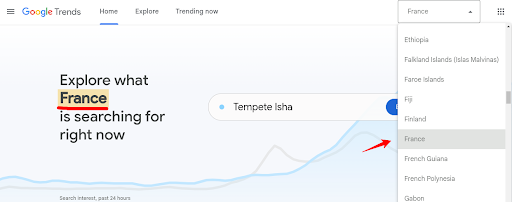
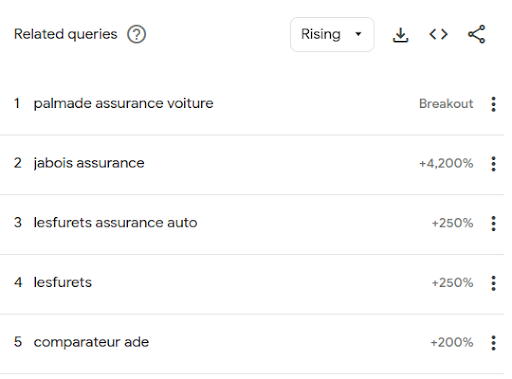
For instance, if you’re targeting the French market, use tools like Google Trends or Ahrefs to discover French-specific keywords (search terms used by French audiences). Instead of “car insurance,” you might need to optimize for “assurance auto.”
Check the related queries sections to analyze what your potential audience is searching for. It gives an idea of the target audience’s needs, requirements, and search terms often used.
2. Multilingual Website Structure
Develop a website structure that can be translated into multiple languages.
Implement hreflang tags or code to indicate language variations in your website. These tags can be country-specific or language-specific and help search engines understand the intended audience for each web page. For a more effective strategy, consider exploring Multilingual SEO Services to ensure your website reaches a global audience.
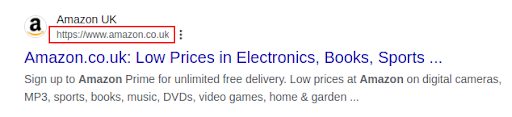
Websites like Amazon effectively use hreflang tags to serve content in different languages, ensuring users see the version most relevant to them based on their location and language preferences.
Be it the UK or Spain, Amazon’s website changes its content as well as the currency according to the search location. New 2025 Tip: Ensure hreflang and canonical tags are tested regularly in Google Search Console to maintain optimal international indexing.
3. Optimized Content for Cultural Relevance
Create content that resonates with the cultural and linguistic preferences of your target audience.
This goes beyond translation and involves adapting content to fit local customs, preferences, and cultural contexts.
McDonald’s tailors its menu and marketing content to suit local tastes. In India, the menu includes items like the McAloo Tikki burger or Mc Spicy Paneer to cater to the vegetarian preferences of the people. While the UK or US menu includes more bacon or beef options to cater to the needs of the local people.
Source: Scoopwhoop
4. International SEO Technical Optimization
An important aspect of applying SEO for an international audience is to make sure your website is technically optimized.
You can create an XML sitemap for each language and location for better search engine visibility.
Follow the steps:
1. Log in to your Google Search Console account and select the property (website) you want to manage.
2. Access the Sitemaps Section on the left-hand menu, and click on “Sitemaps.”
3. Click on the “Add/Test Sitemap” button.
4. Submit the first Language-Specific Sitemap:
Enter the URL of the language-specific sitemap for the first language.
Click the “Submit” button to add the sitemap to Google Search Console.
Repeat the process for each language version of your sitemap.
5. After submitting the sitemaps, you’ll see the status of each submitted sitemap.
Verify that there are no issues reported and that the sitemaps are successfully processed.
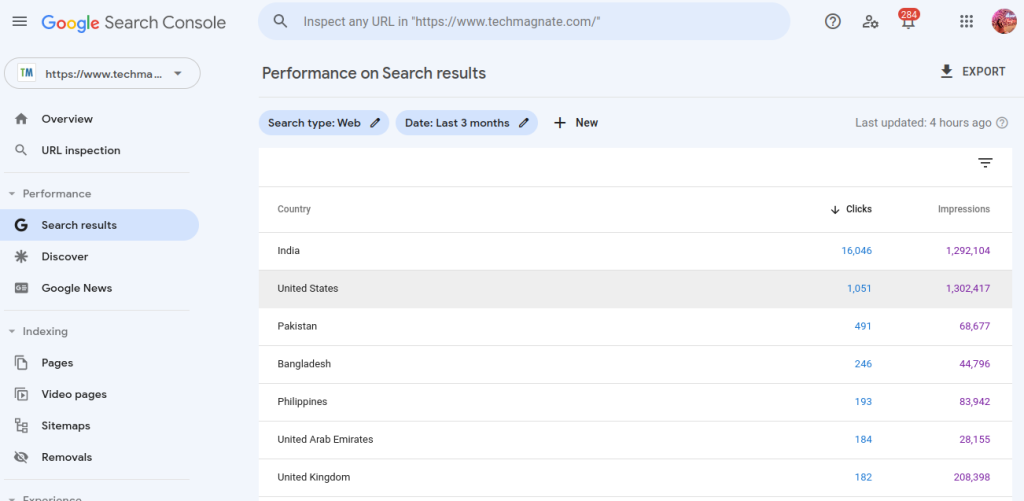
6. Navigate to the “Performance” section to monitor how well your pages are performing in different languages.
Then, check the search results of clicks or impressions based on the countries you’ve added.
5. Local Link Building and Social Signals
Build a strong local backlink profile and engage in social media to strengthen your international SEO strategy.
Connect with local influencers and businesses to earn region-specific backlinks.
Track backlinks and domain authority using tools like Moz or Ahrefs.
Social signals contribute to website authority in each target region.
Implementing these steps can create a robust international SEO strategy. Your website can cater to diverse audiences and ultimately boost your global online presence and business.
Best Tools for Crafting an International SEO Strategy
A few tools were mentioned in the strategy process. Furthermore, we are providing an international SEO toolkit to maximize the effectiveness of your strategies.
1. HubSpot
HubSpot’s SEO software facilitates the creation of an international content strategy.
Focuses on creating content that resonates with an international audience as well as search engines.
2. Google Search Console
Google Search Console provides data on how a website is performing on Google. It helps website owners and administrators monitor their website’s visibility and performance in Google search results.
Reveals the queries driving traffic, and allows you to assess your position in SERP.
Provides insights into global site impressions – crucial for refining and adapting your international SEO strategy based on actual user interactions.
3. Ahrefs
Ahrefs serves as an all-in-one international SEO toolset.
Analyze competitors’ rankings and identify the most effective keywords for your brand internationally.
Provides a comprehensive view of your website’s SEO landscape in crafting strategies that can compete on a global scale.
4. Moz
Moz conducts site audits to identify potential technical issues on your website.
Tracks keyword rankings across a vast array of search engines.
Analyzes backlink profiles, helping to assess performance in various regions and against global competitors.
5. Semrush
Semrush is vital in identifying high-value local and national keywords for international targeting.
Offers insights into competitors’ strategies globally, allowing you to optimize your content accordingly.
Semrush’s daily tracking of SERP positions is crucial for monitoring and adapting to the dynamic nature of search engine rankings worldwide.
6. Google Analytics
Helps analyze the impact of your content on an international scale by offering insights into user behavior, engagement, and performance metrics.
Make informed decisions about your international SEO strategy based on real user interactions.
Each tool brings its unique features and insights, allowing businesses to tailor their approach and maximize visibility in diverse international markets while tracking essential SEO KPIs to measure performance effectively.
International SEO Best Practices
Irrespective of the method chosen for international SEO—language-centric or country-specific, whether outsourced or handled internally—the core seo practices remain unchanged.
Let’s delve into these essential strategies, particularly within international SEO. We’re taking the e-commerce business as example.
1. Do Audience Keyword Research
Identify keywords relevant to each target market.
For a global shoe retailer, understanding regional terms like “trainers” in the UK versus “sneakers” in the US ensures precise keyword targeting for different English-speaking markets.
2. Create content that speaks your brand
Develop content tailored to the language and culture of each audience.
An online fashion store catering to the Middle East could create content that aligns with local fashion trends and cultural preferences, providing a more engaging experience.
3. Leverage the Use of Hreflang Tags
Prevent content duplication issues and improve user experience.
A multinational electronics brand implementing hreflang tags ensures that a user searching in Spanish is directed to the Spanish version of the website rather than a generic global page.
4. Strategically Structure URL as Global GPS
Enhance user understanding and align with global strategy.
An e-commerce site using subdirectories like /uk/ or /fr/ in the URL can effectively communicate country targeting, aiding both search engines and users.
5. Create Mobile-Optimized Designs on the website
Provide a seamless experience for mobile users globally.
A global online marketplace ensuring mobile responsiveness ensures that users in regions where mobile usage is predominant have an optimal shopping experience.
6. Localization of Content
Resonate with diverse cultural preferences for better engagement.
A food and beverage e-commerce platform offering recipes and product descriptions in local languages caters to the varied tastes and preferences of its international audience.
7. Speak the language your audience wants to hear
Facilitate informed decisions by presenting detailed information in multiple languages.
A tech gadget retailer providing product specifications and customer reviews in different languages ensures that users globally can confidently make purchases.
8. From payment to shipping: Tailor to taste
Adapt to diverse payment preferences and enhance transparency.
An international online marketplace accepting region-specific payment methods and communicating shipping costs tailors its services to the needs of customers in different markets.
9. Optimized Product Images
Enhance the user experience by ensuring fast-loading, high-quality images.
An e-commerce business thrives on images. A fashion website specializing in apparel can use optimized images that load quickly, providing a visually appealing experience and reducing bounce rates.
Offer effective communication and support in the preferred language of the users.
Be it in English, Spanish, or Hebrew, providing customer support in regional languages ensures easy assistance and resolves queries in their understandable accents.
By following this international SEO checklist, businesses can improve their search engine visibility. Improving the overall user experience for a diverse international audience can increase sales across borders as well.
How is International SEO different from Local SEO?
International SEO and Local SEO both help businesses rank in search engines, but they target different audiences. International SEO focuses on optimizing websites for multiple countries and languages, while Local SEO helps businesses appear in location-based searches. Here’s a comparison:
Feature
International SEO
Local SEO
Target Audience
Users across multiple countries
Customers in a specific city or region
Website Structure
Uses country-specific domains, subdomains, or subdirectories
Focuses on local landing pages
Keyword Strategy
Region-specific keywords & languages, aligned with global SEO strategy
Location-based keywords
Technical SEO
Requires hreflang tags for language targeting
Uses Google My Business & local citations
Backlinks & Citations
Focuses on global backlinks
Emphasizes local directories & reviews
Search Engine Focus
Optimized for global search engines
Primarily targets Google’s local search results
Key Challenges with International SEO and How to Overcome Them
International SEO is an advanced strategy and there are certain challenges in its implementation. Here are some common challenges a marketer may face and tips on how to overcome them:
Language Barriers: Accurate translations or transcreation is key. Avoid using automatic translation tools as they are not 100% reliable in regards to cultural nuances.
Content Duplication: Use hreflang tags to prevent search engines from treating your same information in different languages as duplicate content.
Cultural Differences: Be mindful of regional preferences and cultural norms when creating content to ensure relevance and user engagement.
Technical Constraints: Ensure fast site speed for global users using CDNs and mobile-first optimization.
AI & Emerging Search Platforms: Optimize content for discoverability on generative AI search results (Google SGE, ChatGPT, Bing AI) and consider structured data for global indexing.
International SEO Checklist
We have curated a checklist to implement international SEO strategy. Follow these steps to that your website is optimized for global visibility and rankings.
Task
Completed
Market Research & Keyword Localization
✅
URL Structure Setup
✅
Hreflang Tag Implementation
✅
Content Localization
✅
Mobile Optimization
✅
Backlink Strategy
✅
International Analytics
✅
Ongoing Monitoring
✅
1. Market Research & Keyword Localization
Action: Research potential target markets and identify key regions with high search demand.
Why: Focus on SEO efforts to penetrate a new segment of the market.
Tools: Google Trends, Ahrefs, SEMrush.
2. URL Structure Setup
Action: Choose the right URL format (ccTLDs, subdomains, or subdirectories).
Why: Helps search engines and users to understand regional and language-specific content.
Recommendation: Use subdirectories (e.g., yoursite.com/fr/) for French.
3. Hreflang Tag Implementation
Action: Add hreflang tags to specify language/region versions of your pages.
Why: Prevents duplicate content and ensures users see the right page version.
Action: Adapt content (not just translate) for local culture, preferences, and nuances.
Connect with the audience and create relevance in each market.
Example: Modify product descriptions to fit local terms.
5. Mobile Optimization
Action: Ensure your site is mobile-friendly and loads quickly.
Why: Mobile-first indexing affects rankings, and a fast site is user-friendly.
Tools: Google PageSpeed Insights, AMP (Accelerated Mobile Pages).
6. Backlink Strategy
Action: Earn quality backlinks from local websites, publications and influencers.
Why: Improves domain authority in specific regions.
Tip: Focus on regional guest posts and collaborations with local influencers.
7. International Analytics
Action: Set up Google Analytics and Google Search Console to track regional performance.
Why: Monitor how users from different countries interact with your site and adjust accordingly.
Tools: Google Analytics, Google Search Console.
8. Ongoing Monitoring
Action: Regularly monitor keyword rankings and traffic for each international market.
Why: Identifies areas for improvement and accordingly improve your International SEO strategies.
Tools: SEMrush, Ahrefs, Google Search Console.
How to Track Your International SEO Performance
It’s important to keep track of how well your international SEO efforts are working so you can improve your strategies and show ROI. Here’s how to keep an eye on performance in different areas in a systematic way:
1. Set Up Regional Analytics in Google Analytics 4 (GA4)
Use GA4 to break down data by country and language.
Keep an eye on metrics like the number of organic visitors, how engaged users are, and the conversion rates for each target market.
Find the best-performing content and areas with high bounce rates to help you improve your work.
2. Use Google Search Console (GSC) to get information about your area
You can look at clicks, impressions, and average positions by country in GSC’s “Performance” report.
Look for mistakes in hreflang implementation and manual actions that could have an effect on pages in other countries.
3. Tracking to keep an eye on your keyword rankings.
Keep an eye on keyword positions in certain countries to see how visible they are and find ways to make them better.
Look at how your competitors rank to see how well your site does in different markets.
4. Use heatmaps and session recordings to look at how users act
Use tools like Hotjar or Crazy Egg to see how people in different areas use your site.
Find places where there is friction or confusion that could make conversions harder.
5. Do SEO audits on a regular basis
Do thorough audits to find technical problems, missing content, and chances to get backlinks.
Use tools like Screaming Frog or Sitebulb to crawl your site and find problems that could hurt your international SEO.
You can improve your international SEO strategy by keeping track of these metrics on a regular basis and using the data to make decisions.
How Can AI Help Global SEO Strategy?
AI is revolutionizing global SEO around the world by automating tasks, giving us more information, and making the user experience better. Here’s how to use AI:
1. Automatic localization of content
AI-powered tools can translate and change content to fit cultural differences, making it more relevant and interesting to target markets.
2. Using predictive analytics to guess what will happen next
AI can look at how people search and what they do to guess what people will want in the future. This lets businesses change their SEO plans ahead of time.
3. Chatbots improve the user experience
Use AI-powered chatbots to help users in real time in different languages. This will make customers happier and more engaged.
4. SEO Tools That Use AI
Use AI-powered SEO tools to save time and money by automating keyword research, content optimization, and backlink analysis.
5. Improving visual and voice search
Make content more useful for AI-driven visual and voice search engines, since more and more people are using images and voices to search.
Adding AI to your global SEO strategy can help your business run more smoothly, give users a better experience, and better meet the needs of the market.
International SEO – Your Gateway to Across-Border Sales
By embracing comprehensive keyword strategies, crafting localized content, and implementing technical elements businesses can unlock the door to global visibility and engagement.
And in this global journey, partnering with a specialized ally like Techmagnate adds an extra layer of expertise.
Partnering with a specialized ally like Techmagnate ensures that your brand not only reaches international audiences but resonates with them. Our services include targeted keyword research, content localization, and full international SEO strategy implementation.
Techmagnate’s commitment to leveraging advanced SEO strategies ensures that your brand not only reaches but resonates with international audiences.
Contact us today for a personalized one-on-one conversation.
Frequently Asked Questions
What is international SEO, and why is it important for businesses that work around the world?
International SEO is the process of making your website work well in many languages and countries. It makes sure that people all over the world can find your content in their own language and region. Aligning content with local search behavior helps global businesses reach more people, get more traffic, and get more people to interact with their content.
How do I make an international SEO plan that works for more than one country?
The first step is to figure out who your target markets are and do keyword research for each country. Use hreflang tags, make sure your site structure works for subdomains or subdirectories, make sure your content is relevant to each culture, build regional backlinks, and use analytics tools to keep track of how each market is doing.
What are the best ways to do international SEO?
Do these things to do your best:
Use hreflang tags to keep content from being the same on different pages.
Make sure that URL structures work well for different countries and languages.
Don’t just translate content; make it more relevant to the local culture and keywords.
Get high-quality backlinks from your area.
Check the speed and mobile-friendliness of your site for users all over the world.
What makes international SEO different from local SEO?
International SEO is the process of optimizing for global search engines so that people from different countries and languages can find your site. Local SEO focuses on location-based searches, such as city or region, and leverages tools like Google My Business and local directories to attract nearby customers.
What tools can help you keep an eye on how well your international SEO is doing?
To break down traffic by region and language, use Google Analytics 4 and Google Search Console. You can use SEMrush and Ahrefs to track keywords in more than one country. Other tools, like Screaming Frog and Sitebulb, can help you check multilingual websites for technical problems.
What are hreflang tags, and why are they so important for international SEO?
Hreflang tags tell search engines which version of a page to show users based on their language and country. This stops problems with duplicate content, makes sure the right regional page shows up in search results, and makes the experience better for international users.
What problems should I expect when I start doing international SEO?
Language barriers, duplicate content, cultural differences, slow site speed in some parts of the world, and trouble managing technical SEO across multiple domains or subdirectories are all common problems. To get past these problems, you need to plan and keep an eye on things carefully.
How will AI make my international SEO strategy better in 2025?
AI can help with keyword research, making content more relevant to your audience, predictive analytics, and keeping track of your performance. It also helps make content work better with generative search engines like ChatGPT, Google SGE, and Bing AI, so that people all over the world can easily find it.
What are the most important things to do to make content work in other languages and countries?
To get the cultural differences right, start with accurate translations and transcreation. Change the keywords, pictures, and examples to fit what people in your area like. Keep your brand voice the same, but change the calls to action and product descriptions to fit each area.
How can businesses find out how well their international SEO campaigns are working?
Keep an eye on things like organic traffic by region, keyword rankings, conversion rates, bounce rates, and engagement. Use GA4, GSC, SEMrush, and Ahrefs to see how well your campaigns are doing and change your plans for markets that aren’t doing well.
Neha Bawa is the Director of Brand Marketing at Techmagnate. She has worked in Digital Marketing since 2012 and has specialised in content creation. She has earned a Master’s degree in Interactive Communications from Quinnipiac University in Connecticut, U.S.A. Her interests lie in creating great content, docs, and working towards sustainability through biodiversity.
Get the most valuable search related insights about leading brands, trending keywords, search volumes, fastest growing categories, city-level insights and much more!
It has come to our notice that fraudulent job offers are being circulated on the internet through messaging apps like WhatsApp and Telegram, which falsely claim to be from Techmagnate. We take this matter seriously and would like to caution all candidates to be wary of such postings.
Please Note That –
We do not charge any fees/security deposit/payment from candidates, irrespective of the professional experience they hold, for job applications or interviews
Official communication channels include our website and verified social media accounts, primarily LinkedIn.
Kindly double-check the domain name – @techmagnate.com – in the email address
We follow a transparent and ethical approach for hiring/onboarding supported by proper documentation.
Ensure that you only apply through verified channels to avoid being scammed. We also recommend that you exercise caution when sharing personal information or financial details with any job posting or recruitment agencies claiming to represent us.
We want to ensure that potential candidates interested in joining Techmagnate have a safe and positive experience.
If you find that someone that fits the description above has reached out to you, please notify us immediately at jobs@techmagnate.com.
 Important Alert:
 Important Alert:
























 6th Feb | Invite-only


